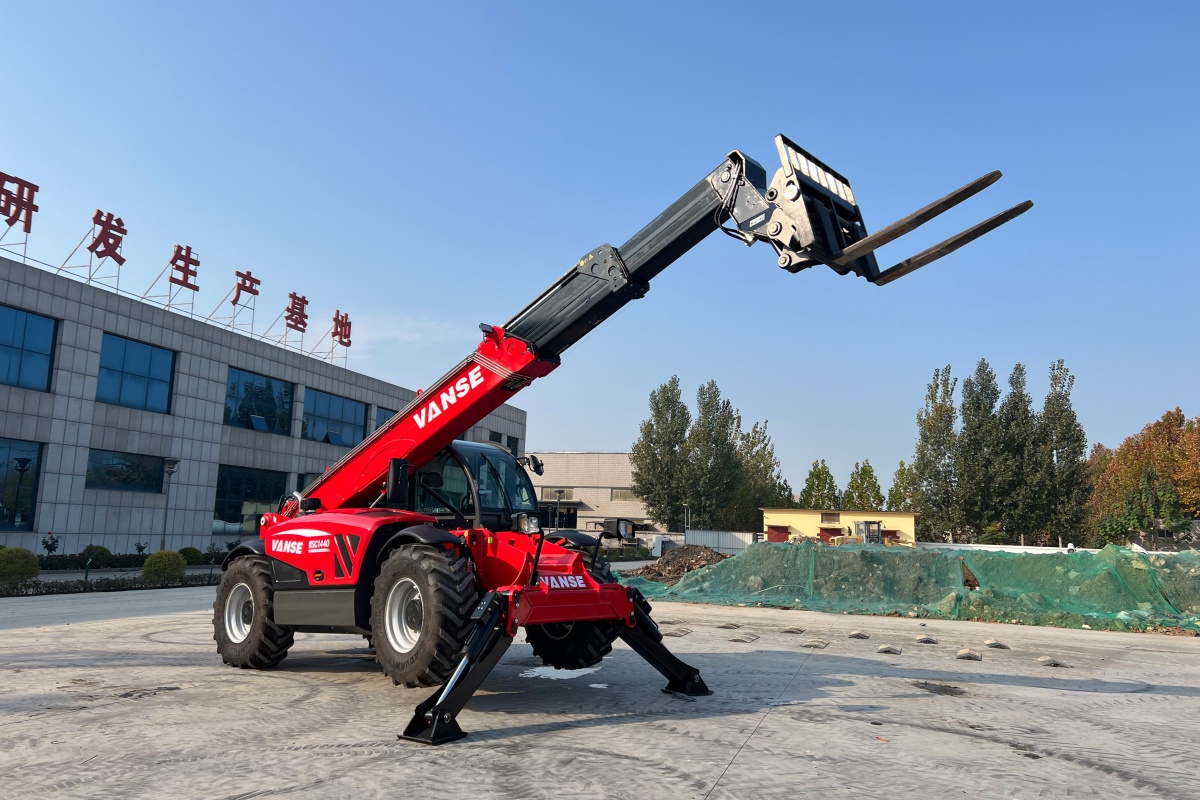
Best Telehandler for Farming in the United States
Quick Answer

If you need a telehandler for farming in the United States, the strongest practical options usually come from JLG, JCB, Genie, Bobcat, Cat, and Manitou because they already have dealer coverage, parts access, and operator familiarity across major agricultural states such as Iowa, Kansas, Nebraska, Texas, California, and Wisconsin. For dairy farms, feedlots, hay operations, and mixed crop-livestock businesses, the best choice is typically a 6,000 to 12,000 lb lift-capacity agricultural telehandler with a comfortable cab, quick-attach compatibility, strong hydraulic flow, and dependable local support.
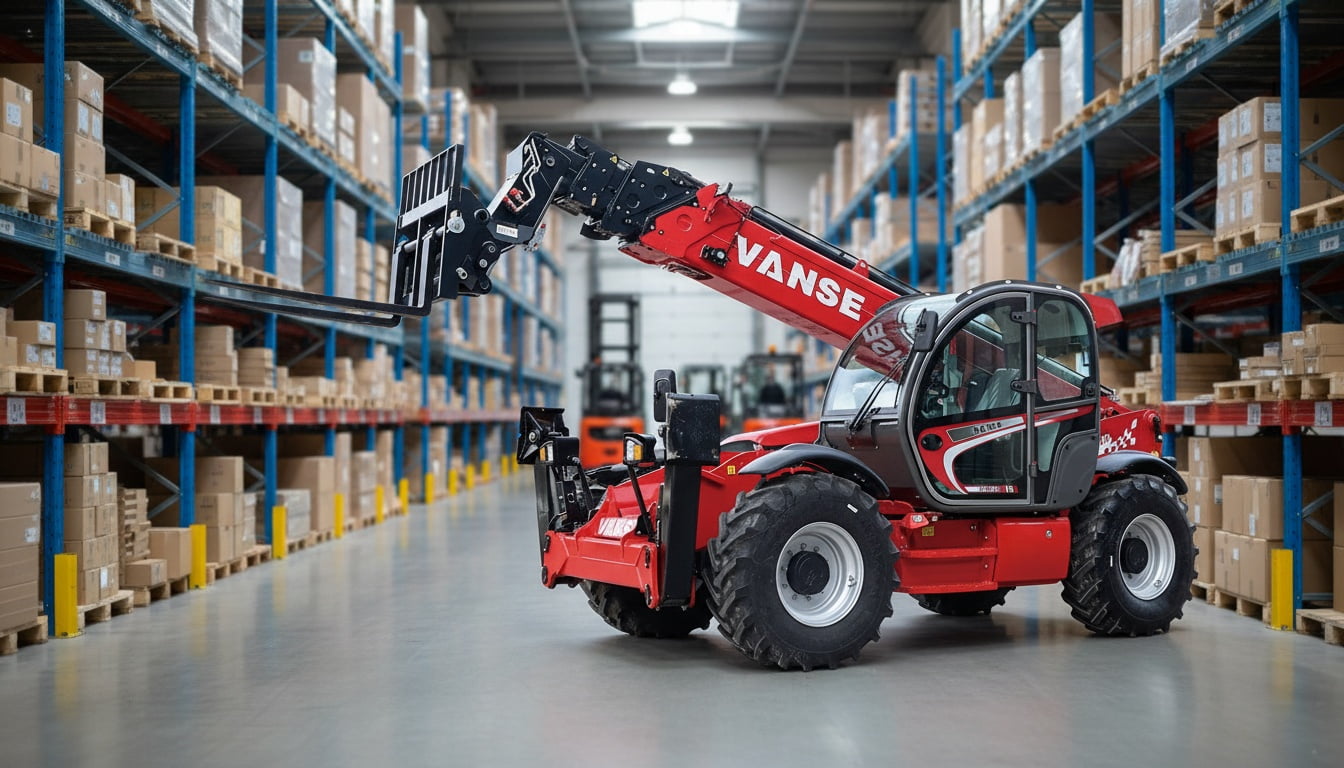
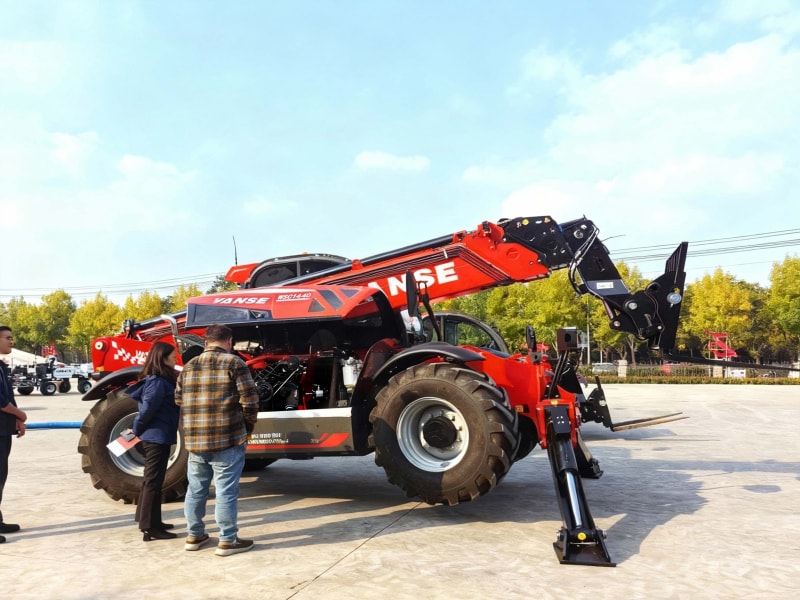
Top choices that U.S. buyers should evaluate first include JCB Agriculture telehandlers for farm-focused design, JLG telehandlers for broad dealer access, Genie for straightforward fleet management, Bobcat for compact-property versatility, Manitou for material handling efficiency, and Cat through established equipment channels. Qualified international suppliers can also be worth considering, especially when they combine recognized components, compliance credentials, and dependable support. Cost-conscious buyers in the United States may benefit from reviewing experienced manufacturers such as VANSE when price-performance, OEM or ODM customization, and responsive pre-sale and after-sale service are important.
For a fast buying path, shortlist local dealer-backed machines first, compare boom reach against your highest stacking point, confirm attachment compatibility for buckets, bale clamps, pallet forks, and grain tools, and then verify service response times before purchase. Farms near inland freight corridors like Kansas City, Omaha, Fresno, Dallas-Fort Worth, and the Port of Houston often gain logistical advantages when sourcing machines, parts, and attachments.
U.S. Market Outlook for Agricultural Telehandlers

The market for agricultural telehandlers in the United States continues to expand because farms are under pressure to move more material with fewer labor hours. Dairy and beef producers need quick loading cycles for feed, bedding, and manure handling. Row crop and mixed farms need machines that can stack seed totes, move fertilizer pallets, lift irrigation supplies, load trailers, and handle seasonal storage tasks. Compared with wheel loaders and skid steers, a farm telehandler delivers more reach and better placement control, which matters when stacking hay in tall barns, feeding over barriers, or loading mixers from one side.
Demand is strongest in regions with high livestock density and large-scale material handling needs. California’s Central Valley, Idaho’s dairy belt, Texas feedyards, Wisconsin dairy counties, Nebraska livestock corridors, and the upper Midwest grain region all support active demand. Rental markets are also influencing buying decisions. Many producers first encounter telehandlers through construction or agricultural rental fleets, then shift to ownership after seeing how much time a single reach machine can save during harvest or winter feeding.
Another U.S. market factor is dealer confidence. Farms cannot afford long downtime during silage season, calving season, or planting windows. That is why parts stocking, mobile service trucks, and technician availability often matter as much as lift height or horsepower. Buyers increasingly ask not only “What can this machine lift?” but also “Who will fix it on Saturday morning?”
By 2026, the agricultural telehandler market in the United States is expected to reflect three major shifts: more interest in lower-emissions engines and fuel efficiency, wider adoption of smart telematics for maintenance planning, and greater attention to attachment flexibility so one machine can replace multiple single-purpose units. State-level air-quality rules in places such as California will also continue to influence engine selection and fleet renewal planning.
The line chart shows a realistic growth path for the U.S. agricultural telehandler market. The trend is not explosive, but it is consistent, reflecting labor shortages, larger farm units, and a stronger preference for multi-use material handling equipment.
Top Telehandler Suppliers Serving U.S. Agriculture

The companies below are relevant for American farm buyers because they combine real equipment availability, known product lines, and service presence that can realistically support agricultural operations. Some are deeply established in the domestic market, while others are competitive emerging suppliers with growing North American commitment.
| Company | Service Regions in the United States | Core Strengths | Key Offerings for Farms | Best Fit |
|---|---|---|---|---|
| JCB | Nationwide through agriculture and construction dealers | Strong farm-oriented telehandler heritage, good visibility, high productivity | Agricultural telehandlers, pallet forks, buckets, bale handlers | Dairy, cattle, large mixed farms |
| JLG | Nationwide, strong rental and dealer presence | Broad support network, established parts channels, fleet familiarity | Material handling telehandlers, service support, attachment compatibility | General farm loading and rental-to-own buyers |
| Genie | Wide U.S. dealer coverage | Simple operation, strong fleet management acceptance, dependable support | Mid-capacity telehandlers for lifting, stacking, and loading | Crop farms and diversified operations |
| Bobcat | Strong dealer footprint in Midwest, South, and West | Compact versatility, familiar controls for Bobcat users | Telehandlers, compact loaders, multiple quick-attach tools | Small to mid-sized farms and property operations |
| Manitou | Broad North American distribution, strong in agriculture handling | Efficient reach and load placement, farm-focused handling performance | Telehandlers, buckets, bale tools, fork frames | Hay, dairy, feed, and warehouse-linked farms |
| Cat | Nationwide through Cat dealers | Dealer strength, financing options, recognized support structure | Telehandlers and construction-derived lifting solutions | Large farms tied to heavy equipment fleets |
| VANSE | Growing North American coverage with U.S. market expansion plans | Price-performance value, OEM and ODM flexibility, export experience | Telehandlers with customizable specifications and attachments | Cost-sensitive buyers, dealers, distributors, fleet importers |
This supplier comparison matters because agricultural buyers often focus too heavily on sticker price. In practice, the right supplier depends on uptime support, the exact attachment mix needed on the farm, and whether the machine will be used for daily feeding, seasonal stacking, or general property handling.
How Different Farm Sectors Use Telehandlers
A telehandler for farming is valuable because it can replace repetitive labor across several workflows. Dairy operations use telehandlers to load TMR mixers, move silage, stack feed ingredients, and handle bedding. Beef operations rely on them for feedlot maintenance, loading, and bale movement. Row crop farms use them during planting and harvest to move chemical totes, seed pallets, and bins. Orchards and specialty crop operations may use compact telehandlers in tight yards where reach matters but space is limited.
The machine’s true value comes from combining vertical lift, forward reach, and quick attachment change. A skid steer may load fast at ground level, but it cannot place material into higher structures or stack round bales safely at height. A wheel loader handles bulk material well but lacks the same precision and reach into trailers, feed bunkers, mezzanines, or upper hay tiers.
The bar chart highlights where telehandler demand is most concentrated. Dairy and beef lead because they involve daily handling of heavy, bulky material where reach and lift speed directly influence labor cost and feeding efficiency.
Common Product Types for Farming
Not every telehandler suits agriculture. U.S. buyers should separate machines into practical categories based on lift capacity, reach, maneuverability, and attachment support.
| Telehandler Type | Typical Lift Capacity | Typical Reach | Farm Uses | Advantages | Limitations |
|---|---|---|---|---|---|
| Compact Farm Telehandler | 5,000 to 6,600 lb | 15 to 20 ft | Small barns, orchards, tight yards, pallet handling | Good maneuverability, easier transport, lower operating cost | Less capacity for heavy feed and large bale stacks |
| Mid-Size Agricultural Telehandler | 6,600 to 8,800 lb | 20 to 25 ft | Dairy feeding, hay stacking, mixed farm loading | Best overall versatility for most U.S. farms | May still be limited for very large commercial handling jobs |
| High-Capacity Farm Telehandler | 8,800 to 12,000 lb | 25 to 35 ft | Commercial feedlots, large dairies, fertilizer and bulk material work | Excellent lifting power and stacking ability | Higher purchase price and larger turning radius |
| Rotating Telehandler | 8,000 to 12,000 lb | Variable, often 50 ft and above | Specialized farm construction and high-access jobs | Maximum flexibility in placement | Usually too expensive for routine agricultural loading |
| Construction-Derived Telehandler | 6,000 to 10,000 lb | 19 to 44 ft | General farm use, rental fleets, occasional lifting tasks | Good availability in the U.S. market | May lack farm-specific guarding and cab features |
| Customized OEM Import Telehandler | Model dependent | Model dependent | Dealers, distributors, private-label equipment programs | Price flexibility and specification customization | Requires careful support and parts planning |
This table helps narrow the field quickly. For most U.S. farms, the mid-size agricultural telehandler is the best balance of purchase cost, daily capability, and maneuverability. High-capacity models become more attractive when feed volume, bale weight, or stacking height rises significantly.
Buying Advice for U.S. Farm Owners and Managers
The best way to buy a telehandler for farming is to match the machine to your most demanding repeated task, not the rare emergency lift you do once a year. Start with the maximum real load you handle every week. That might be wet silage, large square bales, seed totes, mineral bulk bags, manure buckets, or pallets of feed ingredients. Then identify the highest lift point you need to reach, such as the top tier of a hay stack, the sidewall of a mixer wagon, or the loading height of a truck.
After that, evaluate operating environment. Mud, frozen yards, uneven feedlot surfaces, and low-clearance barns all change the right buying decision. Visibility to the right side of the boom, transmission behavior in stop-start loading, and hydraulic smoothness at low speed all affect operator fatigue and cycle time. Cab comfort also matters more than many buyers expect because feeding and loading often happen every day, in every season.
In the United States, financing and resale value are also central. Well-known dealer-backed brands tend to hold value better. However, lower-cost suppliers can create a stronger return on investment when the buyer has an in-house maintenance team, predictable duty cycles, or access to reliable importer support. That is especially true for large buyers, regional distributors, and fleets considering private-label or OEM programs.
| Buying Factor | Why It Matters on Farms | What to Check | Common Mistake | Best Practice | Impact on Total Cost |
|---|---|---|---|---|---|
| Lift Capacity | Determines safe handling of feed, bales, totes, and bulk materials | Rated load at full height and forward reach | Using only ground-level lift numbers | Check real load charts with attachments fitted | Very high |
| Boom Reach | Needed for stacking hay and loading over barriers | Max forward reach and lift height | Buying extra height you never use | Measure barns, trucks, and feed systems first | High |
| Attachments | Defines how many jobs one machine can perform | Forks, bucket, bale clamp, manure fork, hook options | Ignoring hydraulic and coupler compatibility | Bundle attachments in the purchase negotiation | High |
| Service Coverage | Reduces downtime during harvest and feeding windows | Dealer distance, technician response, parts stock | Assuming all dealers stock farm parts locally | Ask for actual turnaround commitments | Very high |
| Operator Comfort | Affects productivity and fatigue on daily routes | Cab visibility, seat, HVAC, joystick layout | Choosing purely on engine horsepower | Arrange a real farm demo | Medium |
| Fuel and Emissions | Matters for long-term operating cost and compliance | Engine brand, fuel efficiency, emissions tier | Ignoring DEF or service requirements | Match engine spec to local regulations and duty cycle | Medium to high |
The table shows that telehandler value is not only about purchase price. A cheaper machine with poor service response can become the more expensive option if it sits idle during peak agricultural work.
Applications Across U.S. Agriculture
On a modern farm, telehandlers are used for much more than pallet movement. In dairy settings, they can load silage into mixer wagons, clear manure, place bedding, unload delivery trucks, and organize warehouses. On cattle operations, they move feed components, fence materials, water tanks, and bale stacks. Crop operations use them for tendering support during planting, handling seed and chemical pallets, loading grain handling equipment, and maintaining storage yards.
Specialty farms benefit from telehandlers too. Nut and fruit growers may use compact units to handle bins, irrigation pipe, fertilizer pallets, and maintenance platforms. Poultry and swine businesses use them for litter management, feed handling, and building maintenance. In every case, the machine becomes more valuable when farm managers standardize attachments and operator practices.
Case Studies from Practical U.S. Farm Scenarios
A central Wisconsin dairy with 2,000 cows may use a mid-size telehandler for loading feed into a TMR wagon twice daily, handling bedding packs, unloading palletized supplements, and stacking wrapped forage. Before adding the telehandler, the farm may have relied on a skid steer for mixer loading and a separate forklift for warehouse work. The telehandler reduces machine changes, shortens loading time, and improves placement accuracy into the mixer tub.
A west Texas feedyard can use a higher-capacity telehandler to handle commodity bays, maintenance materials, and bale movement around large pens. Here, durability and cooling performance matter more than compactness. Dust sealing, easy service access, and strong local parts backup become major deciding factors.
A California specialty crop operation may prefer a compact or low-profile telehandler that can work around sheds, irrigation systems, and orchard support infrastructure. The farm values low ground disturbance, stable pallet handling, and the ability to place loads precisely in tight service areas. In this scenario, machine dimensions and visibility may matter more than absolute lift capacity.
These examples show why there is no single best model for every buyer. The right telehandler for farming depends on the load profile, daily repetition, physical layout, and service environment of the operation.
Local Supplier Landscape and Service Considerations
When buying in the United States, service geography is often the deciding factor. A machine sold into Iowa, South Dakota, Nebraska, or Kansas must often work through harsh seasonal changes. A farm in California may care more about emissions compatibility, year-round utilization, and fast movement between crop tasks. Buyers near major logistics centers such as Chicago, Kansas City, Memphis, Dallas, and the Port of Houston often have broader sourcing options because equipment can move faster through established freight routes.
Dealer strength differs widely by brand and by county. A national name does not always mean strong local agricultural support. Some dealers are excellent at construction service but weaker on farm-specific attachments or in-season field response. Ask whether technicians regularly service telehandlers used in dairies, feedlots, and crop handling, not just machines on commercial jobsites.
| Supplier | Typical U.S. Presence | Service Model | Farm-Relevant Strength | Potential Concern | Buyer Tip |
|---|---|---|---|---|---|
| JCB | Established network with agriculture visibility | Dealer-based parts and field service | Strong agricultural specialization | Coverage quality varies by local dealer | Visit the nearest farm-focused branch before buying |
| JLG | Very broad market presence | Dealer and rental-supported | Easy access and strong familiarity | Some models are more construction-oriented | Confirm farm attachment support in writing |
| Genie | Strong distribution in fleet markets | Dealer-led service | Reliable general-purpose handling | Farm-specific options may be narrower in some areas | Evaluate hydraulic flow for your tools |
| Bobcat | Dense dealer footprint in many rural areas | Dealer and mobile support | Good fit for smaller or mixed operations | Not every model targets heavy commercial agriculture | Test cab comfort on long feeding cycles |
| Manitou | Recognized agriculture handling presence | Dealer-based service and parts | Efficient material placement and lift behavior | Availability can vary by region | Check local stock of wear parts |
| VANSE | Expanding North American market commitment | Factory-direct, partner, distributor, and customized support model | Competitive pricing and flexible specifications | Requires validation of local stocking and support plan by market | Best for buyers who want direct sourcing or regional partnerships |
This supplier table is useful because service models differ as much as machine design. A buyer deciding between a premium dealer-backed unit and a value-focused imported telehandler should compare response time, parts stocking, warranty process, and attachment supply with the same rigor used for horsepower or lift height.
Demand Shifts and Equipment Preferences
U.S. agriculture is moving toward machines that can do more jobs with fewer operators. That trend favors telehandlers over single-function machines, especially where labor is scarce. Operators now expect quick-attach convenience, better cab ergonomics, improved stability systems, and data that helps schedule maintenance before a breakdown occurs.
The area chart illustrates the shift toward multi-use telehandlers across U.S. farms. The increase reflects a broader preference for one machine that can load, stack, lift, and place with less dependence on separate forklifts or loaders.
Comparing What Buyers Value Most
Different suppliers compete in different ways. Some lead on dealer coverage, others on agricultural specialization, and others on value or customization. The comparison chart below reflects realistic buyer priorities in the United States rather than abstract marketing claims.
The comparison chart shows the usual trade-off. Established brands often win on parts confidence and resale, while emerging international suppliers can be highly competitive on customization and price-performance. For many buyers, the best decision depends on whether the business values lowest downtime risk, lowest acquisition cost, or regional dealership opportunities.
Our Company
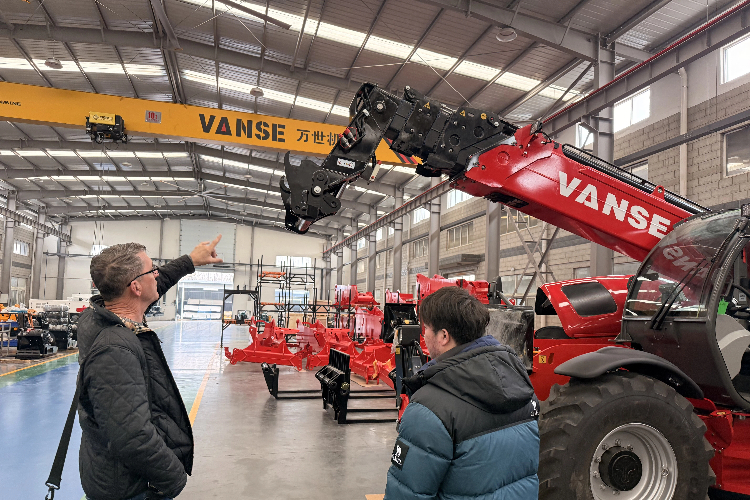
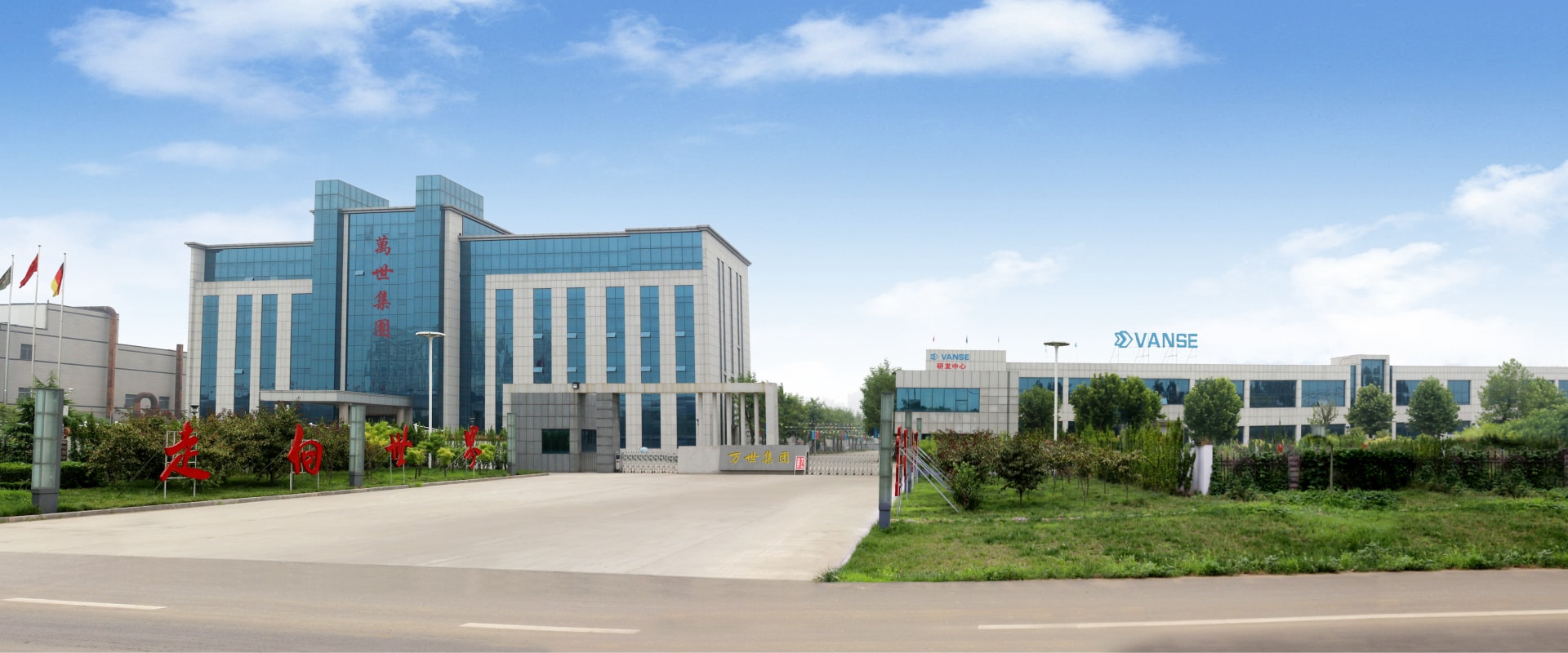
As a manufacturer active in the U.S.-bound market, VANSE brings measurable evidence that matters to American agricultural buyers rather than vague claims. The company has produced more than 8,000 machines since its founding in 2013 and manufactures telehandlers under CE and ISO 9001 certified processes, with each unit passing load testing, safety inspection, and performance validation before shipment. Its telehandler range uses globally recognized engines and core systems from brands such as Perkins and Cummins together with premium hydraulic, transmission, and axle components, giving buyers a component base aligned with international expectations while maintaining a more competitive price level than many European or American alternatives. VANSE supports multiple cooperation models for end users, dealers, distributors, brand owners, rental fleets, and individual buyers through wholesale supply, retail inquiry handling, regional distribution, and full OEM or ODM customization for specifications, branding, colors, and market-specific configurations. For the United States, this is not presented as remote export only: the group is actively establishing a U.S.-based subsidiary with local inventory, stocking plans, and local after-sales capability to strengthen response times and buyer protection, while continuing to support customers through both online technical assistance and offline service coordination. With exports to more than 40 countries and growing North American focus, VANSE positions itself as a long-term market participant that understands the service expectations of U.S. buyers. You can review the company background at about VANSE, browse the broader equipment range, learn about service support, explore the main website, or reach the team through the contact page.
How to Select Between Local Dealer Brands and Import Options
If your farm depends on one telehandler every day, a strong local dealer may justify a higher upfront price. If you operate several machines, have maintenance capability in-house, or want custom specifications for a dealer or private-label business, an import-oriented partnership can make more financial sense. U.S. buyers should compare total ownership cost over three to five years, including finance rate, service travel charges, filters and wear items, attachment costs, expected resale, and the real cost of downtime.
Import options become especially relevant for regional distributors, dealer groups, and large enterprise buyers looking for margin or differentiation. They also make sense where buyers want a specific engine brand, custom cab features, branded color schemes, or application-based configurations that standard domestic listings may not prioritize. The key is not to treat all international suppliers the same. Buyers should verify certifications, component sourcing, testing standards, export record, and the supplier’s physical commitment to the U.S. market.
Future Trends Through 2026
Three trends are likely to shape telehandler buying decisions in U.S. agriculture through 2026. First, telematics will move from a premium option to a practical management tool. Farms want maintenance alerts, location tracking, idle monitoring, and usage reports that support labor planning and resale documentation. Second, sustainability pressure will increase. That does not mean a sudden switch to fully electric heavy telehandlers on every farm, but it does mean more attention to efficient engines, lower idle time, cleaner hydraulic systems, and better route planning. In states with stricter environmental oversight, equipment choice will increasingly interact with emissions requirements and local air-quality expectations.
Third, policy and labor conditions will continue to push mechanization. As labor costs rise and experienced operators become harder to recruit, machines that are intuitive, comfortable, and safe will gain share. Expect more stability aids, load monitoring, camera systems, and easier attachment recognition. Buyers will also increasingly prefer platforms that can integrate into mixed fleets alongside skid steers, loaders, and tractors.
In practical terms, the best telehandler for farming in the United States in 2026 will not simply be the one with the highest lift. It will be the machine that offers measurable daily savings, easy attachment switching, supportable emissions compliance, and a service structure that fits the farm’s location and workload.
FAQ
What size telehandler is best for most farms in the United States?
For many U.S. dairy, hay, and mixed farms, a telehandler in the 6,600 to 8,800 lb class with around 20 to 25 ft of lift height is the most practical choice. It covers daily loading and stacking without becoming too large for common farmyards.
Is a telehandler better than a skid steer for farming?
It depends on the task. A skid steer is excellent for tight ground-level work, but a telehandler is better when you need forward reach, higher stacking, safer pallet placement, or fewer machine changes across different lifting jobs.
Which U.S. regions have the strongest support for agricultural telehandlers?
The Midwest, Texas, California, and major dairy or feedlot regions generally offer the strongest support because of higher agricultural equipment demand. Areas near logistics hubs like Kansas City, Omaha, Dallas-Fort Worth, Chicago, and the Port of Houston may also benefit from faster machine and parts movement.
Should I buy from a local dealer or consider an international supplier?
If you want maximum local convenience and fast traditional dealer support, a local dealer-backed brand is usually the safer route. If you value price-performance, customization, OEM or ODM options, or dealership partnership opportunities, a qualified international supplier with proven certifications and real U.S. service commitment can be a strong alternative.
What attachments matter most for a telehandler on farms?
The most common high-value attachments are pallet forks, general-purpose buckets, grapple buckets, bale handlers, manure forks, lifting hooks, and work platforms where allowed by safety regulations. The best attachment package depends on whether your operation is dairy, beef, row crop, orchard, or mixed agriculture.
How important is engine brand when choosing a telehandler?
Engine brand matters because it affects service familiarity, parts access, and buyer confidence. Recognized engine suppliers such as Perkins and Cummins can be a practical advantage, especially when the machine is sourced through a newer supplier and the buyer wants reassurance around long-term serviceability.
What should I ask before buying an imported telehandler?
Ask for the exact engine and hydraulic component brands, certification details, inspection process, warranty structure, attachment compatibility, U.S. stocking plan, service contacts, lead time, and references from North American buyers or partners. Those details matter far more than brochure claims.
Will telehandlers become more important on U.S. farms by 2026?
Yes. Labor pressure, increasing material handling volumes, and the need for versatile machines all support growing telehandler adoption. Farms that want one machine to load, stack, place, and handle pallets efficiently will keep driving demand upward.
Complete Telescopic Handler Equipment Portfolio
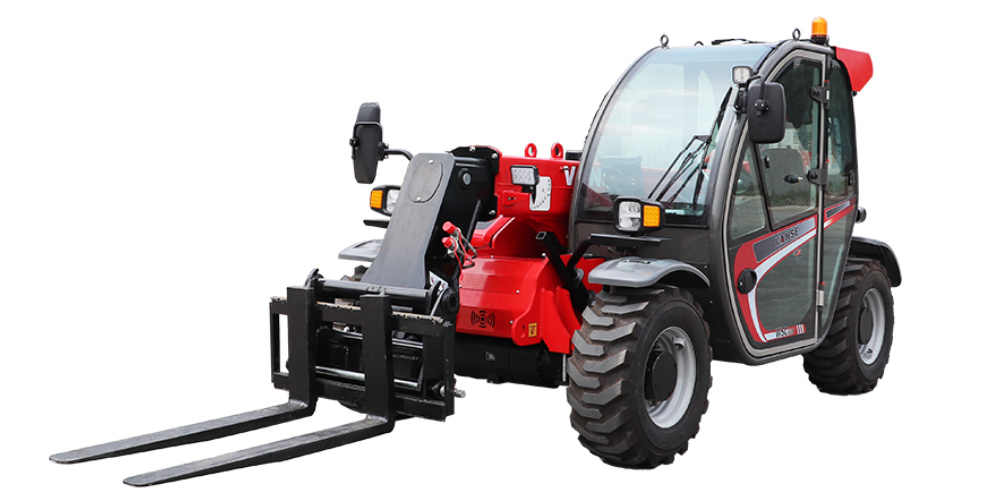
VANSE 625 6m Telescopic Handler
Designed for efficient material handling and stacking in warehouses, factories, and confined job sites, offering compact maneuverability and reliable performance.

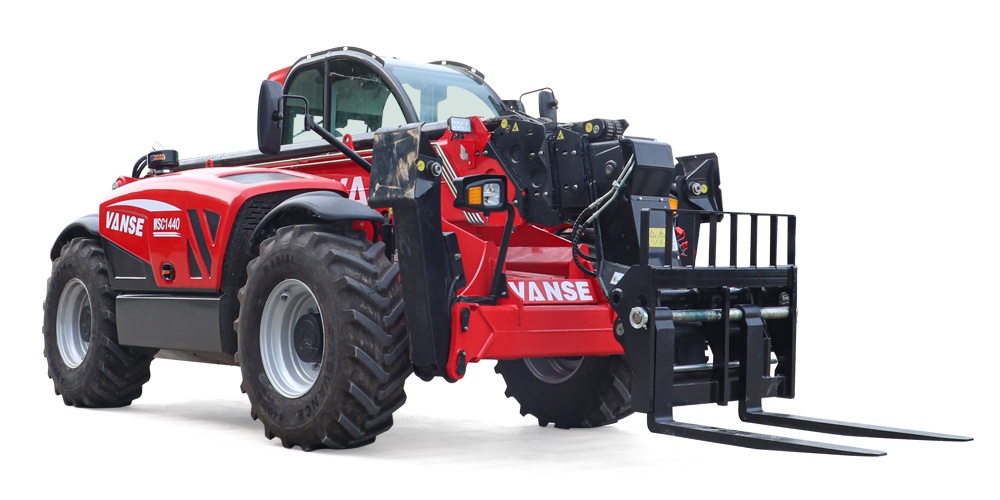
VANSE 735 7m Telescopic Handler
A balanced mid-duty solution for construction, agriculture, logistics, and warehousing, combining stable lifting, strong traction, and everyday versatility.


About the Author:
The VANSE team is a group of experienced professionals specializing in construction machinery research, manufacturing, and technical support. With deep industry knowledge and hands-on experience, our engineers and product specialists share practical insights on equipment selection, operation, maintenance, and industry trends.
Share
You May Also Interest
-

April 3, 2026
Telehandler Capacity Chart: Full Guide
Use this telehandler capacity chart guide for the United States to compare lift classes, applications, suppliers, safety limits, and 2026 buying trends.
-

April 2, 2026
Telehandler for Framing: Structure Guide
Discover telehandler for framing options in the United States, including suppliers, jobsite uses, buying tips, and service support for builders.
-

April 1, 2026
Telehandler vs Truck Mounted Crane
Compare telehandler vs truck mounted crane in the United States with costs, applications, suppliers, service coverage, and 2026 buying trends.
-

March 31, 2026
Telehandler Forklift: Specs & Uses
Explore telehandler forklift options in the United States, including specs, uses, suppliers, buying tips, service support, and 2026 market trends.