How Telehandlers Work in the United States
Quick Answer

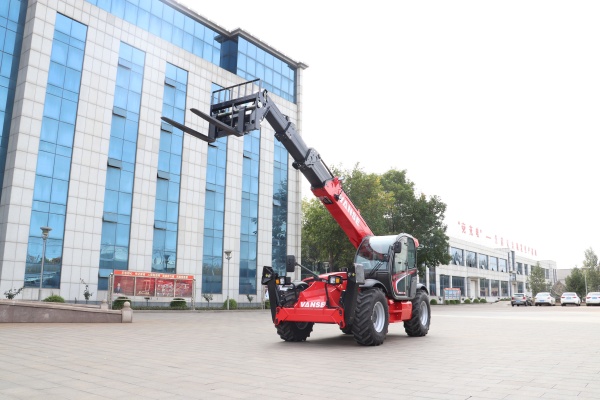
A telehandler works by combining a heavy-duty chassis, an engine-powered hydraulic system, a telescopic boom, and interchangeable attachments to lift, place, and move materials vertically and horizontally. In the United States, telehandlers are widely used on construction sites, farms, industrial yards, ports, and energy projects because they can reach farther than forklifts and handle rough terrain better than many warehouse machines. The operator uses hydraulic controls to extend, raise, lower, and angle the boom while the machine’s counterweight, frame geometry, tires, axle design, and load-management system help keep the unit stable.
In practical terms, the process is simple: the engine powers hydraulic pumps, the pumps send pressurized fluid to cylinders, the cylinders move the boom and attachment, and the operator places loads such as pallets, trusses, pipe, hay, or bagged material where conventional equipment cannot easily reach. For buyers in the United States, the fastest way to choose the right machine is to match lift height, rated capacity, attachment compatibility, service support, and parts availability to the actual jobsite. Well-known local brands and dealer-backed suppliers remain a safe choice, but qualified international manufacturers with recognized certifications, globally trusted components, and strong pre-sales and after-sales support can also be worth considering because they often deliver attractive cost-performance value.
How a Telehandler Actually Works

A telehandler, also called a telescopic handler, is best understood as a hybrid between a forklift and a crane. It has a boom instead of a simple vertical mast. That boom can move up, out, and back in, which lets the machine place loads at height or across obstacles. On a typical jobsite in Houston, Dallas, Chicago, Los Angeles, Savannah, or Newark, this extra reach is the feature that makes the telehandler more versatile than a standard rough-terrain forklift.
The machine starts with a diesel engine, and in some newer models a hybrid or electric drive is emerging for selected indoor or low-emission use cases. The power source drives one or more hydraulic pumps. Hydraulic oil is pushed through valves and hoses to cylinders mounted on the boom, frame, steering, and attachment circuits. When the operator moves the joystick, the control valve meters hydraulic flow to the correct cylinder or motor. That hydraulic force then raises the boom, extends boom sections, tilts the carriage, powers a work platform, or runs an attachment such as a bucket, auger, or jib.
The reason telehandlers are so useful in the United States is that they solve access and placement problems. A contractor framing a multistory commercial building in Phoenix can lift palletized block to upper floors. A dairy operation in Wisconsin can stack hay and move feed. A pipe yard near the Port of Houston can handle long materials on uneven ground. A rental fleet in Florida can serve both storm recovery and residential construction. The same core machine can adapt to each job through attachments and load charts.
Load charts are central to how telehandlers work safely. Unlike a standard forklift that mainly lifts close to its front wheels, a telehandler often extends the load forward. The farther the boom reaches, the lower the safe lifting capacity becomes. That is why manufacturers provide rated capacities at specific heights and outreach distances. Modern machines often include load moment indicators, overload warnings, frame leveling, and stabilization systems. These features do not replace operator judgment, but they do make it easier to stay inside safe working limits.
Main Components That Make a Telehandler Function

To understand the machine fully, it helps to break it into major systems. Each one contributes to lifting power, stability, accuracy, and jobsite durability.
| Component | What It Does | Why It Matters on U.S. Jobsites | Typical Service Focus |
|---|---|---|---|
| Engine or power unit | Supplies mechanical power for hydraulics and driveline | Supports long shifts in construction, agriculture, and rental fleets | Fuel system, filters, cooling, emissions checks |
| Hydraulic pump and valves | Create and control pressurized fluid flow | Determine boom speed, attachment response, and operator precision | Oil quality, hoses, seals, pressure testing |
| Telescopic boom | Raises and extends the load | Delivers reach over obstacles, trucks, trenches, and upper floors | Wear pads, chains, cylinders, structural inspections |
| Carriage or quick coupler | Connects forks or other attachments | Allows fast changeovers between pallet work, buckets, and jibs | Pin wear, locking mechanism, tilt function |
| Chassis and counterweight | Provide structural strength and balance | Help maintain stability on rough terrain and uneven grades | Frame inspections, axle checks, ballast integrity |
| Axles, tires, and steering system | Move the machine and improve maneuverability | Essential for mud, gravel, farm lanes, and congested urban sites | Tire wear, steering cylinders, axle lubrication |
| Operator controls and safety electronics | Translate operator input into controlled movement | Improve repeatability and reduce misuse in mixed-skill environments | Sensors, displays, load systems, calibration |
This table matters because telehandler performance is not just about peak lifting capacity. In real use, uptime depends on the quality of the engine, hydraulic system, boom structure, and safety electronics. A machine with strong specs on paper but weak hose routing, poor sealing, or limited parts support may cost more over time than a better-engineered unit.
Step-by-Step: From Engine Power to Load Placement
When the operator starts the telehandler, the engine reaches working speed and powers the hydraulic pump. The pump draws hydraulic oil from the tank and pushes it through the system. If the operator lifts the boom, oil enters the lift cylinder, which extends and raises the boom. If the operator extends the telescopic section, oil flows into the extension cylinder or chain-actuated telescopic system. If the operator tilts the forks, a separate tilt cylinder changes the carriage angle. If the machine has auxiliary hydraulics, those lines can power rotating attachments or specialist tools.
While this movement is happening, the chassis, axle spacing, tire footprint, and rear counterweight help resist tipping. Many telehandlers also have multiple steering modes such as two-wheel steer for travel, four-wheel steer for tight work areas, and crab steer for diagonal movement. These features are especially useful on crowded sites in major U.S. metropolitan areas where space is limited. Operators also rely on frame leveling on some models to compensate for uneven ground, which can improve attachment alignment and reduce setup time.
The machine’s safety system may monitor boom angle, load pressure, extension length, and stabilizer position. If the load approaches a restricted zone on the chart, the system can alert the operator or limit certain hydraulic functions. This becomes particularly important in applications like roofing supply placement, steel erection support, bridge maintenance staging, and material handling in distribution yards.
Telehandler Market in the United States
The United States remains one of the most active telehandler markets in the world because several large sectors rely on rough-terrain material handling. Nonresidential construction, road and utility work, large-scale farming, industrial manufacturing, equipment rental, and energy infrastructure all create strong demand. High-growth logistics corridors near Atlanta, Dallas-Fort Worth, Inland Empire, Charleston, and the Gulf Coast further support this market because these regions need flexible lifting equipment that can handle changing terrain and diverse loads.
Rental is a major force. Many contractors prefer to rent telehandlers for seasonal peaks or project-specific lifting tasks instead of owning a large fleet year-round. This means dealer support, fleet-friendly maintenance access, telematics, and durable components are all critical. The market also rewards attachment flexibility. A machine that can switch from forks to a bucket to a truss boom in a single week creates more value for owners and rental companies.
The line chart shows a realistic market growth pattern driven by construction activity, fleet replacement cycles, and rising demand for versatile material-handling equipment. Even in periods of uneven project spending, telehandlers tend to hold value because they serve so many industries.
Where Demand Comes From by Industry
Demand is not uniform across sectors. Construction remains the core driver, but agriculture and industrial handling are strong, stable buyers. Ports, mining support operations, and oil and gas locations often need specialty telehandlers with enclosed cabs, high flotation tires, or attachment packages suited to remote work.
The bar chart illustrates why machine specification should match end use. A rental fleet may prioritize intuitive controls and broad attachment compatibility, while an agricultural buyer may care more about low-speed torque, visibility, and long daily operating cycles.
Common Telehandler Types in the U.S. Market
Not every telehandler works the same way in practice because the design changes based on application. Compact models are useful in urban jobsites and feed yards. Mid-size units dominate general construction and rental fleets. High-capacity or high-reach models support steel, precast, and large industrial loads. Rotating telehandlers, though less common, give operators near-crane-like placement flexibility in dense jobsites.
| Type | Typical Capacity | Typical Lift Height | Best Fit |
|---|---|---|---|
| Compact telehandler | 5,000 to 6,000 lb | 15 to 20 ft | Landscaping, small farms, indoor-outdoor yards, tight residential sites |
| General construction telehandler | 6,000 to 10,000 lb | 36 to 56 ft | Commercial building, masonry, framing, roofing supply placement |
| High-reach telehandler | 8,000 to 12,000 lb | 55 to 70 ft | Multistory projects, industrial shutdowns, utility work |
| High-capacity telehandler | 12,000 to 20,000 lb+ | 30 to 56 ft | Pipe, precast, heavy pallets, energy and infrastructure yards |
| Rotating telehandler | 8,000 to 13,000 lb | 50 to 100 ft+ | Complex urban jobsites, facade work, confined lifting zones |
| Agricultural telehandler | 5,500 to 9,000 lb | 20 to 30 ft | Hay handling, feed, grain operations, livestock facilities |
This table helps buyers avoid a common mistake: selecting a machine based only on maximum capacity. In the United States, jobsite logistics, transport regulations, trailer compatibility, door clearance, and turning radius are often just as important as raw lifting numbers.
How Attachments Change the Way a Telehandler Works
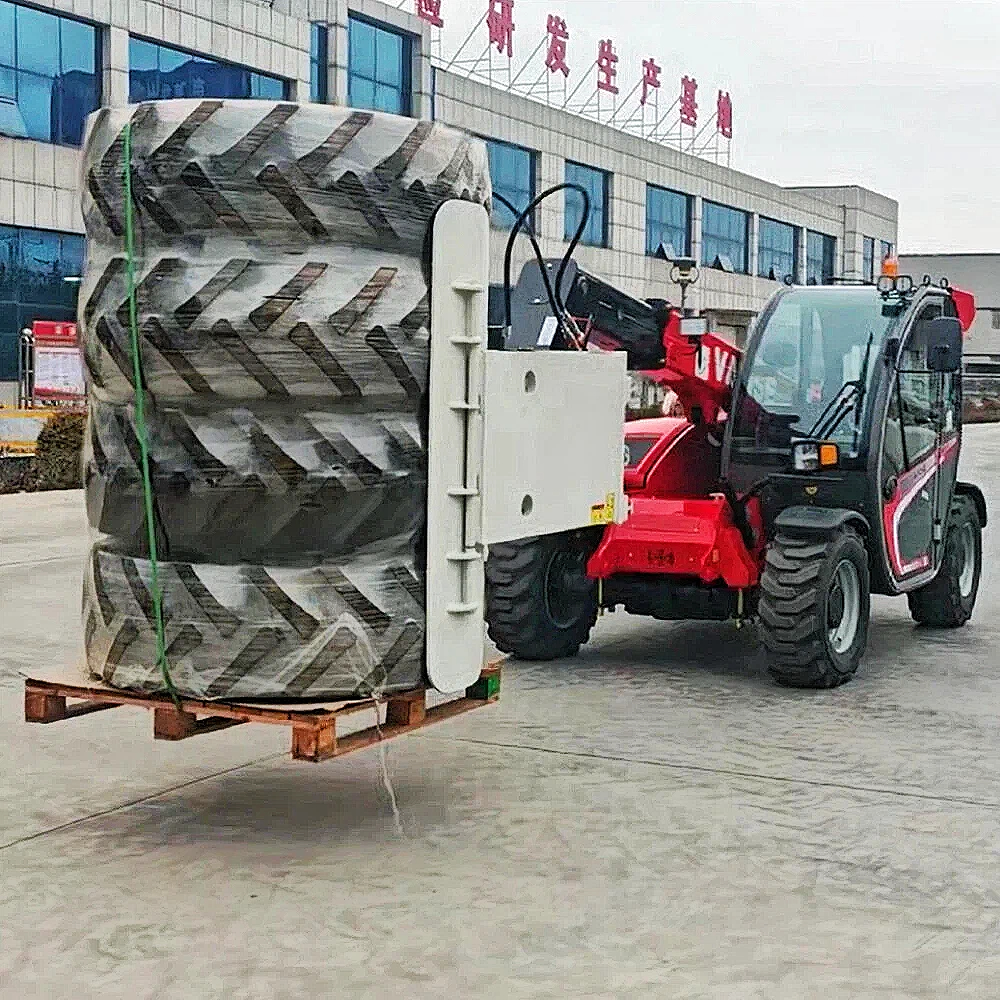
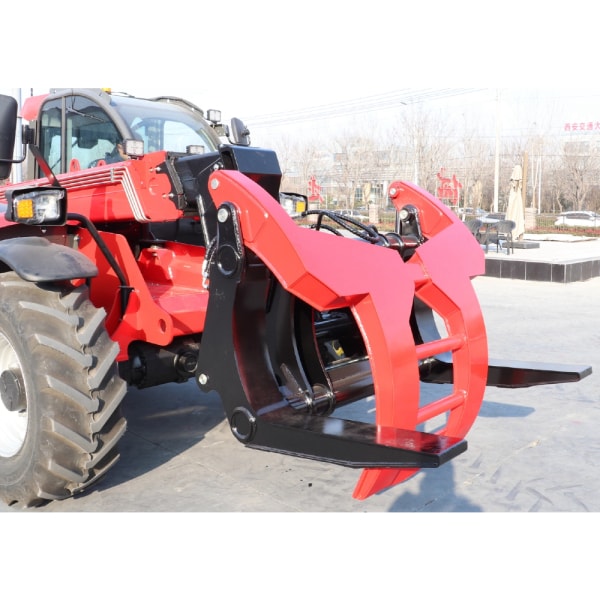
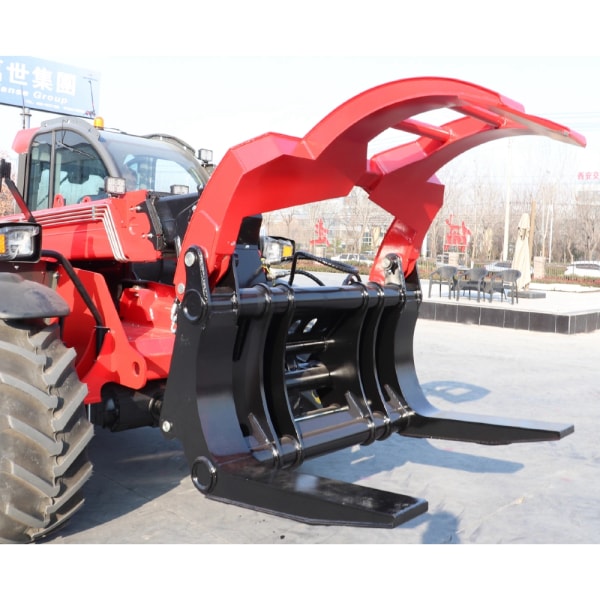
Attachments are one reason telehandlers outperform single-purpose machines. Forks are the most common tool, but buckets, truss booms, lifting hooks, sweepers, grapples, work platforms, pipe handling attachments, and bale clamps expand the machine’s role. Each attachment changes the load center, which means the machine’s working capacity can also change. Buyers should always review the attachment-specific load chart rather than assuming the base machine rating still applies.
For example, a masonry contractor in Charlotte may use forks for block in the morning and a truss boom in the afternoon. A farm in Iowa may switch between forks, a bucket, and bale handling equipment. A recycling operation near Long Beach may need a grapple or bucket with auxiliary hydraulics. Machines with a reliable quick-attach system and properly routed auxiliary lines reduce downtime and improve asset utilization.
Buying Advice for U.S. Buyers
When choosing a telehandler in the United States, start with the job rather than the brochure. Buyers should define the heaviest load, the highest placement point, the maximum forward reach, the ground conditions, the daily duty cycle, and the attachment list. Next, they should confirm service coverage, technician response times, parts stocking, and resale outlook. For fleets working across several states, telematics, simplified maintenance access, and operator training support can be major advantages.
Transport also matters. Some buyers choose a slightly smaller machine because it moves more easily between jobsites without extra logistical complexity. Cab design matters too. In hot regions such as Texas, Arizona, and southern California, air conditioning performance, dust sealing, and visibility can affect operator productivity more than many people expect. In northern states, cold-start performance and heater output matter just as much.
| Buying Factor | What to Check | Why It Matters | Common U.S. Buyer Mistake |
|---|---|---|---|
| Lift capacity | Rated load at required reach | Prevents under-spec or unsafe use | Buying based only on maximum close-in rating |
| Lift height | Maximum platform or fork placement height | Ensures materials reach upper floors or stacks | Ignoring real placement height after attachment changes |
| Outreach | Forward reach with load | Important for working over obstacles or trenches | Assuming all booms reach similarly |
| Attachment compatibility | Quick coupler, hydraulics, approved tools | Expands machine utilization across tasks | Buying a machine with limited auxiliary capability |
| Dealer and service support | Parts, field service, training, warranty handling | Directly affects uptime and fleet planning | Focusing on purchase price only |
| Operating environment | Terrain, weather, emissions, cab needs | Improves safety and operator comfort | Using a general-spec machine in a specialized setting |
| Total cost of ownership | Fuel, maintenance, tires, resale, financing | Shows real long-term equipment cost | Comparing only initial invoice values |
The table shows why telehandler procurement should be treated as an operating strategy decision, not just a price comparison. Contractors and rental fleets that buy around real duty cycles generally achieve lower lifetime cost and higher equipment utilization.
Industries That Depend on Telehandlers
Construction is the most visible market, but the machine’s flexibility explains its broad adoption. In residential and commercial building, telehandlers place lumber, drywall, scaffolding, packaged roofing, and masonry products. In agriculture, they load feed, move seed, stack bales, and handle palletized farm inputs. In industrial plants, they support shutdown maintenance, material distribution, and equipment movement. In mining and oil and gas, they transport supplies and support site logistics over rough surfaces. In port and yard settings from Savannah to Los Angeles, they help move palletized goods, bundled products, and irregular loads where conventional forklifts struggle.
They also work well in municipal and disaster response scenarios. After storms along the Gulf Coast or Southeast Atlantic corridor, telehandlers can clear debris, unload pallets, and position recovery materials on damaged or uneven ground. This emergency flexibility adds to their value in rental fleets and public works support contracts.
Typical Applications Across American Jobsites
The telehandler’s real strength is that one machine can serve many purposes across changing jobsite conditions. On a commercial project in Denver, it may unload rebar and place bundles on upper decks. On a vineyard in California, it may move pallets and bins during seasonal harvest. On a manufacturing expansion in Ohio, it may support steel erection and equipment installation. On a distribution center project near Memphis, it may place wall panels and roof material with different attachments across different phases of the build.
Because these use cases vary so much, buyers should prioritize visibility, control smoothness, braking feel, and boom stability during demos. A telehandler that works well on spec sheets but feels jerky or imbalanced under real loads may slow the crew and increase wear on attachments and tires.
Case Studies from Realistic U.S. Scenarios
Consider a mid-rise apartment development outside Dallas. The contractor uses a 10,000 lb telehandler with a 55 ft lift height. Early in the project, the machine unloads pallets of block and framing lumber from flatbeds. Later, it places trusses and packaged materials to upper floors. By using one telehandler with forks and a truss boom instead of several smaller units, the contractor simplifies scheduling and reduces idle equipment time.
In another scenario, a dairy operation in Wisconsin upgrades from an aging wheel loader and mast forklift to an agricultural telehandler. The new machine improves stacking precision in barns, reduces wasted time in narrow aisles, and handles bale transport with less ground disturbance. The ability to reach forward and upward without repositioning repeatedly creates measurable labor savings over a season.
A Gulf Coast equipment rental company provides another example. By choosing telehandlers with common attachment interfaces, dealer-backed parts supply, and telematics, it reduces downtime during hurricane recovery periods when demand spikes and machine reliability becomes critical. In this case, service support and fleet standardization matter as much as raw lifting capability.
Top Telehandler Suppliers Relevant to the United States
United States buyers typically compare domestic brands, established global manufacturers with local dealer networks, and value-oriented overseas suppliers building stronger North American presence. The best choice depends on application, fleet size, budget, lead time, and how important local stocking and fast service response are to the business.
| Company | Service Region | Core Strengths | Key Offerings |
|---|---|---|---|
| JLG Industries | Nationwide United States | Strong rental presence, broad dealer network, widely recognized support | Construction telehandlers, high-reach models, fleet-focused options |
| Genie | Nationwide United States | Rental fleet popularity, established parts support, easy operator familiarity | General construction telehandlers and material handling solutions |
| Caterpillar | Nationwide through dealer network | Dealer infrastructure, brand recognition, service coverage | Selected telehandler models and rough-terrain material handling support |
| JCB | Nationwide with strong agriculture and construction presence | Deep telehandler heritage, varied model range, agricultural adoption | Agricultural, general-purpose, and high-performance telehandlers |
| Manitou | Nationwide, especially strong in construction and agriculture | Specialized material handling expertise, rotating and fixed-boom options | Construction telehandlers, rotating telehandlers, ag models |
| Bobcat | Nationwide through dealers | Compact equipment brand reach, strong crossover with contractor customers | Compact and mid-size telehandlers for mixed-use fleets |
| SkyTrak | Broad U.S. construction and rental coverage | Familiarity on jobsites, simple operation, contractor acceptance | General construction telehandlers and rental-friendly machines |
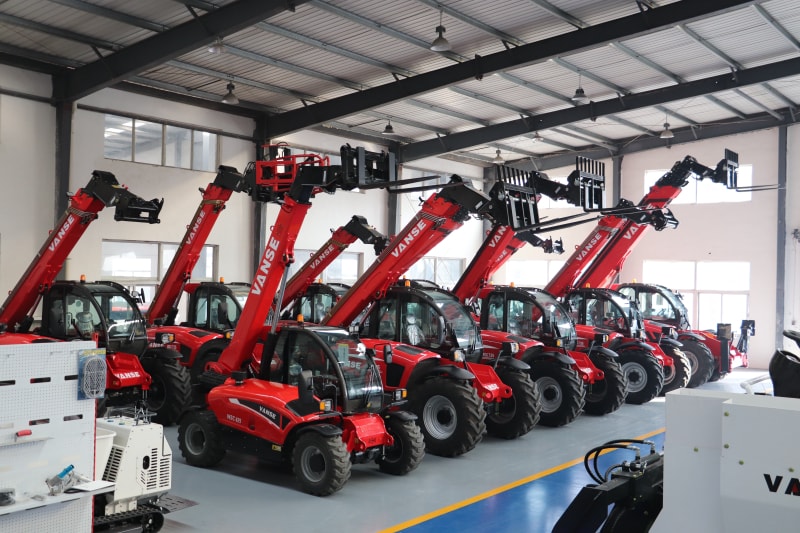
| VANSE | Growing United States coverage with local market commitment | Competitive cost-performance, flexible OEM/ODM, globally sourced core components | Telehandlers, attachments, private-label and distributor cooperation |
This supplier table is useful because it shows the market is not limited to one buying model. Some buyers need immediate dealer-backed fleet support. Others need more flexible configuration, branding, or price positioning. That is why both major established brands and capable international suppliers can be relevant in the United States.
Supplier Comparison by Buyer Priorities
The comparison chart reflects a common purchasing reality in the United States: large domestic dealer brands often lead in immediate service coverage, while flexible international manufacturers can be highly competitive in customization, OEM programs, and cost efficiency. Buyers should compare these strengths against actual operating needs rather than brand familiarity alone.
Our Company in the United States Market
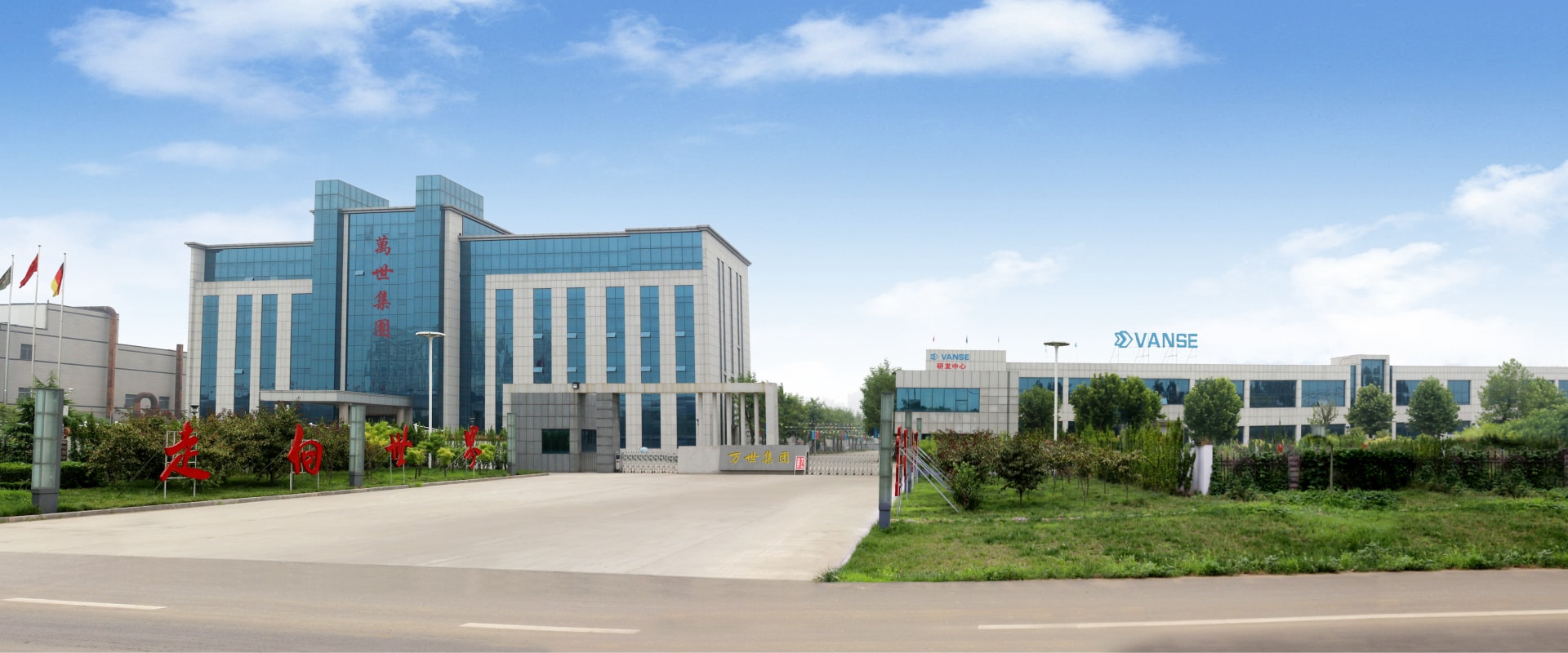
For buyers evaluating alternatives to traditional high-cost brands, VANSE has built a credible position around telehandlers by combining internationally recognized manufacturing discipline with practical commercial flexibility for the United States market. The company has produced more than 8,000 machines and serves customers in over 40 countries, with manufacturing under CE and ISO 9001 certified processes, rigorous load testing, safety inspection, and performance validation on every unit before shipment. Its telehandlers are built around globally trusted core components such as Perkins and Cummins engines together with premium hydraulic systems, transmissions, and axles, which gives local buyers concrete evidence that the machines are engineered to meet demanding international benchmarks rather than compete on price alone. Through its equipment range, VANSE supports end users, distributors, dealers, brand owners, rental companies, and even smaller-volume buyers through wholesale supply, retail-oriented sales development, regional distribution, and full OEM/ODM programs covering specifications, branding, colors, and application-specific setups. Just as important for trust and continuity, the company is actively expanding its U.S. presence with a planned U.S.-based subsidiary, local inventory, and stronger after-sales capability, backed by both online and offline pre-sale consultation, technical guidance, maintenance support, and long-term partnership development. That local investment matters because it shows the company is not approaching the United States as a distant export destination, but as a strategic operating market where buyers expect responsive service, stocked parts, and accountable support. More background is available on the company overview page, and service details can be reviewed through customer support resources.
How to Evaluate a Supplier Before You Buy
Before purchasing, ask specific questions. What engine brand is used? Where are hydraulic components sourced? What load tests are performed before delivery? Is the machine certified under recognized quality systems? How quickly can wear parts and filters reach a site in the Midwest or Southeast? Does the supplier support remote diagnostics, local technician dispatch, or dealer training? Can the machine be configured for agriculture, rental, or industrial site compliance? If you are building a fleet, can the supplier standardize controls, attachment couplers, and maintenance items across several models?
Serious suppliers should answer these questions with facts, not slogans. Buyers should also request documentation such as load charts, maintenance intervals, warranty terms, parts lists, and training materials. If the machine will be sold or rented across multiple states, support for operator familiarization and documented service processes becomes especially important.
Safety, Operator Training, and Compliance
Understanding how a telehandler works also means understanding how it fails when misused. The most common risks include overloading, overreaching, using the wrong attachment, traveling with an elevated load, driving on unsuitable ground, and inadequate visibility near pedestrians or structures. Good telehandler operation depends on reading the load chart, inspecting tires and forks, confirming attachment locks, checking hydraulic leaks, and understanding how ground slope affects stability.
Many U.S. employers also build telehandler policy into broader site safety programs. Daily walkarounds, documented operator training, clear exclusion zones, and planned traffic routes reduce preventable incidents. On mixed-use construction sites, telehandlers often interact with cranes, boom lifts, trucks, and labor crews, so communication matters as much as machine capability.
Trend Shift Toward 2026
The United States telehandler market is changing in visible ways. Fleet owners increasingly want telematics, preventive maintenance alerts, better fuel efficiency, and simplified diagnostics. Sustainability pressures are also influencing procurement, especially for public projects, indoor work, and environmentally sensitive operations. While diesel remains dominant, electric and hybrid concepts are receiving more attention in urban applications, enclosed facilities, and municipalities with stricter emissions goals.
Policy and labor trends are also shaping the market. Buyers want machines that reduce operator fatigue, shorten training time, and integrate with digital fleet systems. By 2026, equipment decisions are likely to be influenced not just by horsepower and lift charts but also by uptime analytics, remote support, emissions pathway planning, and lifecycle cost visibility.
The area chart highlights a realistic shift toward connected controls, load management systems, better diagnostics, and lower-emission technology. This is especially relevant for fleets serving major metro areas, public infrastructure contracts, and companies with internal sustainability targets.
What Future Buyers Should Watch in 2026
Looking ahead, several trends deserve attention. First, telehandlers will likely incorporate more advanced stability monitoring and operator-assist functions. Second, attachment ecosystems will become more important because buyers expect one machine to cover more tasks. Third, suppliers with real local warehousing and service commitment will gain an advantage as owners focus on uptime rather than simply purchase price. Fourth, procurement teams will increasingly compare suppliers on total lifecycle value, including parts lead times, telematics usefulness, and residual value. Finally, buyers in the United States will keep evaluating international manufacturers that can prove certification, component quality, testing discipline, and local support with real evidence.
FAQ
What is the main difference between a telehandler and a forklift?
A forklift mainly lifts vertically with a mast, while a telehandler uses a telescopic boom that can lift upward and reach outward. That makes telehandlers better for rough terrain, elevated placement, and working over obstacles.
How does a telehandler stay stable when the boom extends?
It stays stable through chassis design, counterweight, axle geometry, tire footprint, and strict load-chart limits. Many machines also use load monitoring systems, frame leveling, and stabilizers on certain models.
Can one telehandler handle both construction and agriculture?
Yes, if the machine has suitable specs and compatible attachments. However, buyers should still match tire type, cab configuration, hydraulic options, and maintenance needs to the dominant application.
Why does capacity decrease when the boom extends?
As the load moves farther forward, the leverage acting against the machine increases. That reduces the safe lifting limit, which is why outreach and boom angle are critical parts of the load chart.
Are telehandlers widely available for rent in the United States?
Yes. Telehandlers are common in rental fleets across major markets such as Houston, Atlanta, Chicago, Phoenix, Los Angeles, and many secondary cities. Rental demand is especially strong in construction and storm recovery work.
What should a U.S. buyer ask a supplier before ordering?
Ask about rated capacity at working reach, attachment approvals, engine brand, hydraulic component quality, certifications, testing process, warranty terms, parts stocking, local service plans, and expected lead time.
Is an international supplier a realistic option for U.S. buyers?
Yes, provided the supplier can show recognized certifications, proven production scale, trusted core components, clear testing standards, and real pre-sales and after-sales support tied to the United States market.
How can I get more information about telehandler options and support?
You can review product and service information, compare configurations, and request project-specific guidance through the contact page.
Complete Telescopic Handler Equipment Portfolio
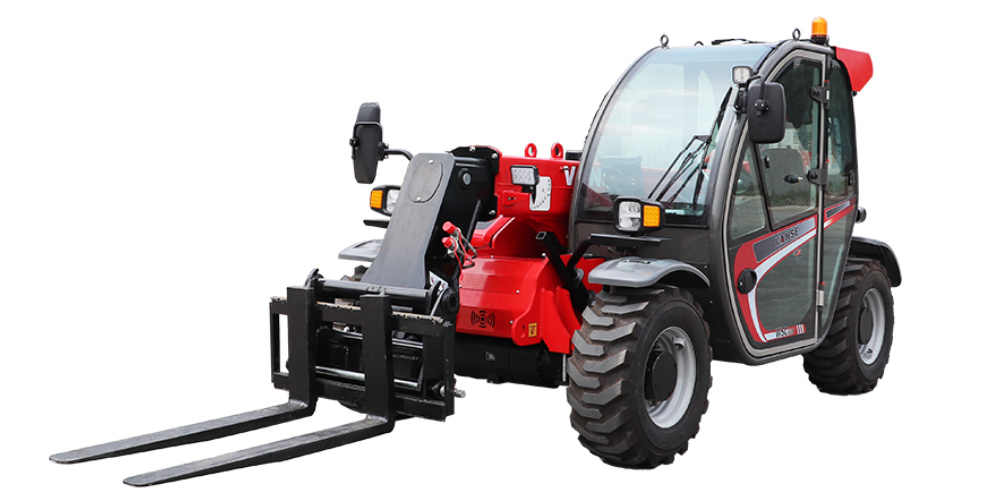
VANSE 625 6m Telescopic Handler
Designed for efficient material handling and stacking in warehouses, factories, and confined job sites, offering compact maneuverability and reliable performance.

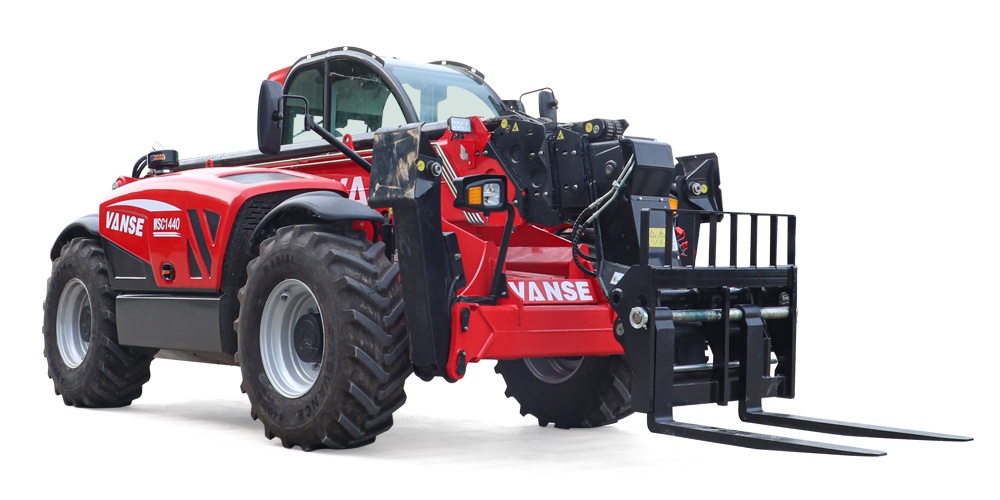
VANSE 735 7m Telescopic Handler
A balanced mid-duty solution for construction, agriculture, logistics, and warehousing, combining stable lifting, strong traction, and everyday versatility.


About the Author:
The VANSE team is a group of experienced professionals specializing in construction machinery research, manufacturing, and technical support. With deep industry knowledge and hands-on experience, our engineers and product specialists share practical insights on equipment selection, operation, maintenance, and industry trends.
Share
You May Also Interest
-

April 10, 2026
What Is a Telehandler? Complete Guide
Learn what a telehandler is in the United States, how it works, where it is used, and what buyers should compare before choosing a model or supplier.
-

April 8, 2026
How Much Does a Telehandler Cost? 2026
How much does a telehandler cost in the United States? See 2026 price ranges, supplier options, use cases, and buying tips for U.S. buyers.
-

April 7, 2026
How to Operate a Telehandler: Guide
Learn how to safely operate a telehandler in the United States with practical steps, site checks, load handling tips, and buying guidance for local users.
-
April 6, 2026
Telehandler Load Chart: Complete Guide
Learn the telehandler load chart for United States jobsites, including capacity, reach, supplier options, safety checks, and buying tips for 2026.