Telescopic handler or skid steer in Italy
Risposta rapida

In Italy, the telescopic handler is generally the best choice when you need lifting height, forward reach, pallet handling, farmyard work in barns, multi-level construction sites and loading materials onto trucks or decking. The skid steer, on the other hand, is more suitable when compactness, fast manoeuvring, work in tight spaces, yard cleaning, bulk material handling and frequent use of attachments like buckets, trenchers, sweepers and cold planers matter.
If you need to choose practically: for agriculture, site logistics and height handling almost always choose a telescopic handler; for light demolition, urban maintenance, small construction sites and high-rotation rental often choose a skid steer. In many Italian companies in Emilia-Romagna, Lombardy, Veneto and Puglia the two machines do not completely replace each other, but complement each other.
Among the most recognised and well-established brands in Italy for this comparison are Merlo, Dieci, Manitou, JCB, Bobcat and New Holland Construction. It is also worth evaluating qualified international suppliers, including Chinese manufacturers with CE certifications, global components and a serious pre- and after-sales support network, because today the cost-performance ratio can be very competitive, especially for fleets, dealers and multiple purchases.
Il mercato italiano dei sollevatori telescopici per il lavoro sul calcestruzzo si muove lungo tre assi principali: edilizia residenziale e commerciale, infrastrutture e prefabbricazione. Nelle aree del Nord, tra Lombardia, Veneto ed Emilia-Romagna, la domanda è trainata da cantieri ad alta rotazione, stabilimenti di prefabbricati, piattaforme logistiche e impianti industriali. Nel Centro Italia, poli come Roma e Firenze richiedono macchine compatte ma potenti per contesti urbani, ristrutturazioni complesse e cantieri con accessi limitati. Nel Sud e nelle aree portuali di Napoli, Bari, Taranto e Palermo, il focus è spesso sulla combinazione tra costruzioni civili, opere stradali e movimentazione materiali vicino ai nodi logistici.

The Italian market for compact machines and telehandlers continues to be driven by four main factors: fleet renewal, growth in professional rental, specialised agricultural demand and pressure on operating costs. In areas such as Brescia, Verona, Modena, Reggio Emilia, Bari and Catania, companies are looking for machines capable of working well in tight spaces but with high productivity. This is why the comparison between telehandler and skid steer has become increasingly common.
In Northern Italy, the telehandler often dominates in the agricultural, precast, warehousing and structural construction sectors. The skid steer, on the other hand, retains a strong position in maintenance work, recycling, aggregate handling, ground preparation and third-party services. In ports and logistics hubs such as Genoa, Trieste and La Spezia, the choice depends on the need to lift loads onto high shelving or move materials in congested areas.
Rental is a central element of the Italian market. Rental companies prefer versatile machines, easy to maintain, with readily available spare parts and stable residual value. In this scenario, telehandlers are appreciated for their cross-use in construction and agriculture, while skid steers are in demand for their high frequency of use with interchangeable attachments.
Market trends in Italy

Demand growth is not uniform: the agricultural sector and professional rental have supported telehandlers, while urban redevelopment, small construction sites and industrial area management have strengthened skid steers. The availability of compact models with engines compliant with European regulations and more comfortable cabs has broadened the customer base.
The chart shows faster growth for telehandlers compared to skid steers in the 2021-2026 period, consistent with the strong demand for height-handling machines in specialised agriculture, mixed construction sites and internal logistics. Skid steers, however, remain solid thanks to their operational flexibility and often more affordable initial cost in compact models.
Fundamental differences between the two machines
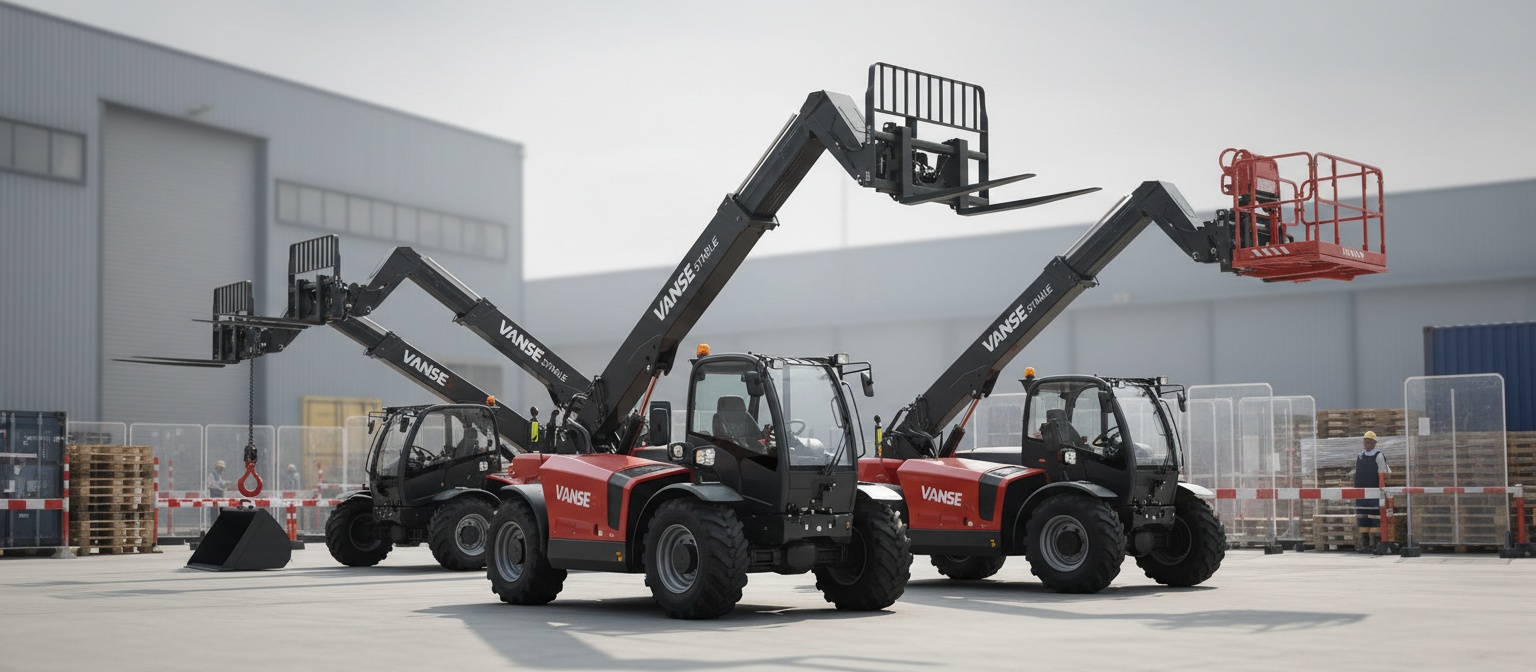
The telehandler is designed to lift and position loads at high elevations and at a distance from the chassis. Its main advantage is the telescopic boom, which allows lifting pallets, big bags, bales and building materials beyond the typical height of a traditional compact machine. It can also mount forks, buckets, winches and approved platforms where permitted by the manufacturer and regulations.
The skid steer is a compact rigid-frame machine, very agile, ideal for pushing, digging, loading and working in tight spaces. It is known for its almost zero turning radius and wide range of attachments. If the job requires quick cycles on the ground, frequent tool changes and short travel distances, the skid steer is often more efficient.
| Parametro | Telehandler | Skid steer | Practical impact in Italy |
|---|---|---|---|
| Lift height | Very high | Limited | Decisive in farmhouses, barns, construction sites and warehouses |
| Forward reach | High | Low | Useful for loading over obstacles or onto trucks |
| Compactness | Media | Molto alto | The skid steer works better in tight yards and urban areas |
| Attachment versatility | Alta | Molto alto | The skid steer excels in high-frequency tool changes |
| Stability with elevated loads | Designed for this use | Not specific | The telehandler is more suitable for pallets and high-level handling |
| Work on sensitive surfaces | Good with suitable tyres | Variable, can mark the ground | Important on farms and finished pavements |
| Initial investment | Usually higher | Often lower | The skid steer is more accessible for small businesses |
This table clarifies the core point of the comparison: if the main objective is lifting and placing materials at height, the telehandler is almost always superior. If, on the other hand, the objective is to multiply ground-level tasks with a single compact machine, the skid steer has a clear practical advantage.
Available product types
In Italy, the market offers various configurations of telehandlers and skid steers, designed for very different sectors and intensity levels. It is not enough to choose the category: you must identify the correct subtype based on capacity, height, operating weight, accessories and regulatory context.
| Esempio | Subtype | Typical use | Strengths | Main limitations |
|---|---|---|---|---|
| Telehandler | Compatto agricolo | Stables, greenhouses, livestock, courtyards | Compact dimensions, good visibility | Lower capacity and height |
| Telehandler | Standard construction | Construction, precast, truck loading | Excellent balance between height and capacity | Larger footprint than a skid steer |
| Telehandler | Rotativo | Complex sites, multi-level jobs | Great positioning flexibility | Costo di acquisto elevato |
| Skid steer | Gommato compatto | Manutenzione urbana, cantieri stretti | Agile e veloce | Meno efficace su terreni molto cedevoli |
| Skid steer | Cingolato compatto | Fango, terra smossa, paesaggistica | Migliore galleggiamento e trazione | Più usura su superfici finite |
| Skid steer | High capacity | Riciclo, inerti, uso intensivo | Prestazioni elevate a terra | Non sostituisce un telescopico in quota |
Per chi opera in agricoltura nel Centro-Sud, il telescopico compatto è spesso la combinazione migliore tra accesso, altezza e delicatezza nelle manovre. Per le imprese di servizi municipali o di manutenzione industriale, lo skid steer gommato o cingolato è spesso più sfruttato lungo l’intero anno.
Domanda per settore in Italia
La distribuzione della domanda in Italia dimostra bene che nessuna delle due macchine è universalmente migliore: la superiorità dipende dal settore e dal ciclo di lavoro. Agricoltura, edilizia strutturale e logistica premiano i telescopici; riciclo, manutenzione e lavori compatti favoriscono gli skid steer.
Il grafico a barre evidenzia che l’agricoltura italiana tende a preferire il telescopico per la gestione di foraggi, mangimi, pallet e materiali voluminosi. Al contrario, manutenzione urbana e riciclo mostrano una preferenza netta per lo skid steer, soprattutto nelle città e nelle aree produttive dove servono agilità, attrezzature dedicate e cicli ripetitivi.
Come scegliere in base al tipo di lavoro
La regola più utile è partire dal carico e dall’altezza. Se lavori quasi sempre con pallet, bancali, balle, sacconi o materiali da posare sopra il livello uomo, il sollevatore telescopico è la scelta più logica. Se invece lavori con cumuli, scavi superficiali, spazzolatura, fresatura, pulizia stalle, movimentazione a terra e attrezzature rotanti, lo skid steer è spesso più razionale.
Un altro criterio decisivo è lo spazio. In molte aziende italiane esistono cortili storici, accessi stretti, edifici rurali bassi o aree urbane congestionate. In questi casi lo skid steer entra e ruota dove un telescopico standard fatica. Tuttavia, quando bisogna servire più piani, caricare mezzi alti o raggiungere oltre un muro, la maggiore agilità dello skid steer non compensa il limite di altezza.
Conta anche il costo complessivo di proprietà. Il prezzo iniziale di uno skid steer può risultare più basso, ma un telescopico può sostituire in modo più diretto carrello elevatore, caricatore compatto e parte delle operazioni di sollevamento. Nelle imprese agricole e nei magazzini aperti, questo incide molto sulla redditività.
Consigli d’acquisto per acquirenti italiani
Prima di acquistare, l’azienda dovrebbe verificare portata nominale, altezza massima, sbraccio utile, portata residua alla massima estensione, disponibilità ricambi in Italia, tempi di consegna, formazione operatore, visibilità cabina, accesso alla manutenzione e valore di rivendita. È importante richiedere una prova reale con il materiale che si intende movimentare, non solo una dimostrazione generica.
Per le regioni con forte stagionalità agricola come Emilia-Romagna, Veneto, Piemonte, Toscana e Puglia, è utile valutare una macchina che mantenga produttività sia in raccolta sia nella logistica interna. Per i noleggiatori, conviene privilegiare modelli con interfaccia semplice, ampia rete di assistenza e attacchi rapidi compatibili con accessori diffusi sul mercato italiano.
| Criterio | Pausa pranzo | Favorisce il telescopico | Favorisce lo skid steer |
|---|---|---|---|
| Altezza oltre 5-6 metri | Serve a caricare in quota e lavorare su più livelli | Sì, nettamente | NO |
| Larghezza accesso sotto 1,8-2 metri | Importante in edifici stretti e vecchi capannoni | Solo in modelli compatti specifici | Sì, spesso |
| Uso intensivo di forche pallet | Movimentazione di bancali e materiali imballati | Sì | Parziale |
| Cambi attrezzatura frequenti | Produttività con molti utensili in una giornata | Buono | Molto forte |
| Terreno agricolo irregolare | Trazione e stabilità sono determinanti | Sì, soprattutto agricolo 4×4 | Sì, specie cingolato |
| Budgetopen regolare | Riduce la soglia di ingresso per piccole imprese | Meno favorevole | Più favorevole |
| Immagine professionale nel noleggio | Conta per utilizzi diversi e clienti differenti | Molto forte nel cantiere | Molto forte nei servizi compatti |
La tabella aiuta a filtrare la decisione. Se più criteri ricadono nella colonna del telescopico, la scelta è quasi definita. Se prevalgono compattezza, accessori e costo iniziale, lo skid steer diventa più convincente. Quando il punteggio è equilibrato, conviene analizzare il lavoro dominante nell’80% delle ore annue, non gli usi occasionali.
Settori e applicazioni principali
Nel settore agricolo italiano, il sollevatore telescopico è impiegato per stoccaggio fieno, riempimento carri miscelatori, movimentazione concimi, gestione pallet, carico cereali e pulizia aree aziendali con benna o pinza. Lo skid steer è diffuso soprattutto nelle aziende che necessitano di pulizia rapida, distribuzione materiali sfusi, lavori di sistemazione del terreno e uso di attrezzature specifiche in spazi ridotti.
Nell’edilizia, il telescopico è preferito per portare pallet di laterizi o materiali isolanti ai piani, supportare squadre di posa, servire ponteggi e movimentare elementi prefabbricati leggeri. Lo skid steer entra invece in gioco per spianamento, carico inerti, demolizione interna, fresatura, pulizia finale e lavori su lotti urbani con accessi complicati.
Nel comparto industriale e logistico, i telescopici possono sostituire il carrello elevatore quando il suolo è misto o esterno e quando serve maggiore altezza. Gli skid steer sono utilizzati per servizi ausiliari, gestione rifiuti, manutenzione piazzali e lavorazioni rapide tra reparti.
Casi pratici italiani
A farm in the province of Cremona that handles bales, feed, and pallets year-round benefits from a compact or medium telehandler with forks and a bucket. In this case, height and visibility outweigh the maneuvering advantage of a skid steer. On the contrary, a small maintenance company in Naples or Rome operating in condominium courtyards, urban areas, and redevelopment sites will often find the skid steer a more profitable and less cumbersome solution.
A recycling center in the Turin area may prefer a tracked or high-capacity skid steer for pushing, loading, and distributing material on the yard. A prefabrication company in the Verona or Modena area, on the other hand, will hardly give up a telehandler for feeding lines and serving loads on trucks and external shelving.
Comparison of technology trends
The market is moving toward safer cabs, digital monitors, telematics, predictive maintenance, and lower consumption. In Italy, interest is growing in systems that reduce machine downtime, simplify diagnostics, and improve operator safety, also in view of stricter controls on training and proper equipment use.
This area chart represents the gradual increase in the weight of overhead applications compared to exclusively ground-level ones. It does not mean that the skid steer is losing importance, but that a growing share of Italian companies is seeking machines capable of handling internal logistics and lifting in a single solution, especially where outdoor spaces are variable and the traditional forklift is insufficient.
(manca - non presente nel testo originale)
For a concrete purchase in Italy, it is useful to look at brands with a service network, spare parts availability, and historical presence. In telehandlers, Merlo, Dieci, Manitou, and JCB are very prominent names. In skid steers, Bobcat and New Holland Construction maintain a recognized position, along with other operators present through regional dealers. The brand choice depends not only on the product but also on the quality of local coverage in key provinces such as Milan, Padua, Bologna, Cuneo, Bari, and Palermo.
| Azienda | Strong category | Presenza di servizio in Italia | Main strengths | Offerta chiave |
|---|---|---|---|---|
| Merlo | Telehandlers | Very broad, with a national network | Specialization, agricultural and construction range, strong local reputation | Compact, standard, and rotating telehandlers |
| Dieci | Telehandlers | Very solid, Italian roots | Strong adaptation to the national market, agriculture and construction | Agricultural, industrial, and rotating telehandlers |
| Manitou | Telehandlers and material handling | Wide, especially in rental and dealer channels | International brand with good support and model variety | Telehandlers, material handling, attachments |
| JCB | Telehandlers and compact machines | Widespread in main areas | Strong brand, multifunctionality, liquid used market | Loadall, compact machines, construction site support |
| Lince | Skid steer | Very widespread through dealers | Historical reference in compact machines and attachments | Wheeled and tracked skid steers |
| New Holland Construction | Skid steer | Good coverage in various regions | Synergy with agricultural and construction networks, good local familiarity | Skid steer and compact track loader |
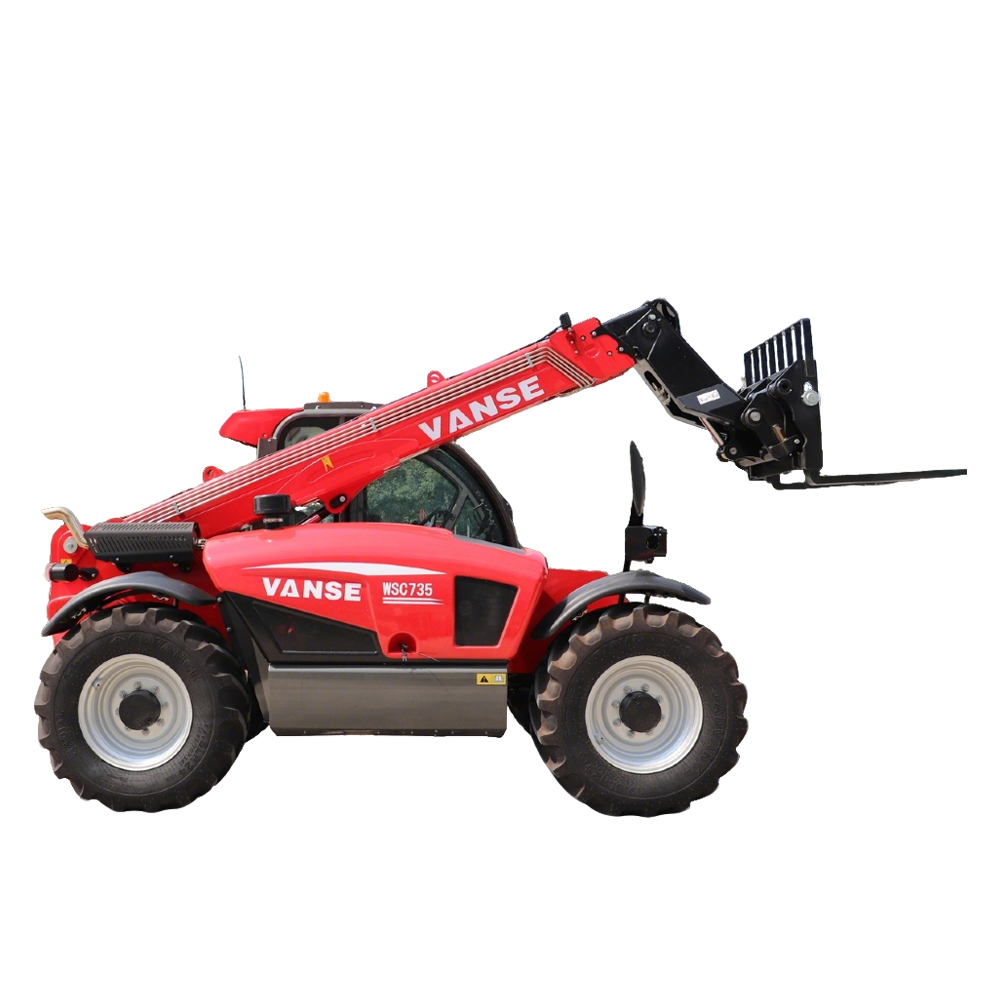
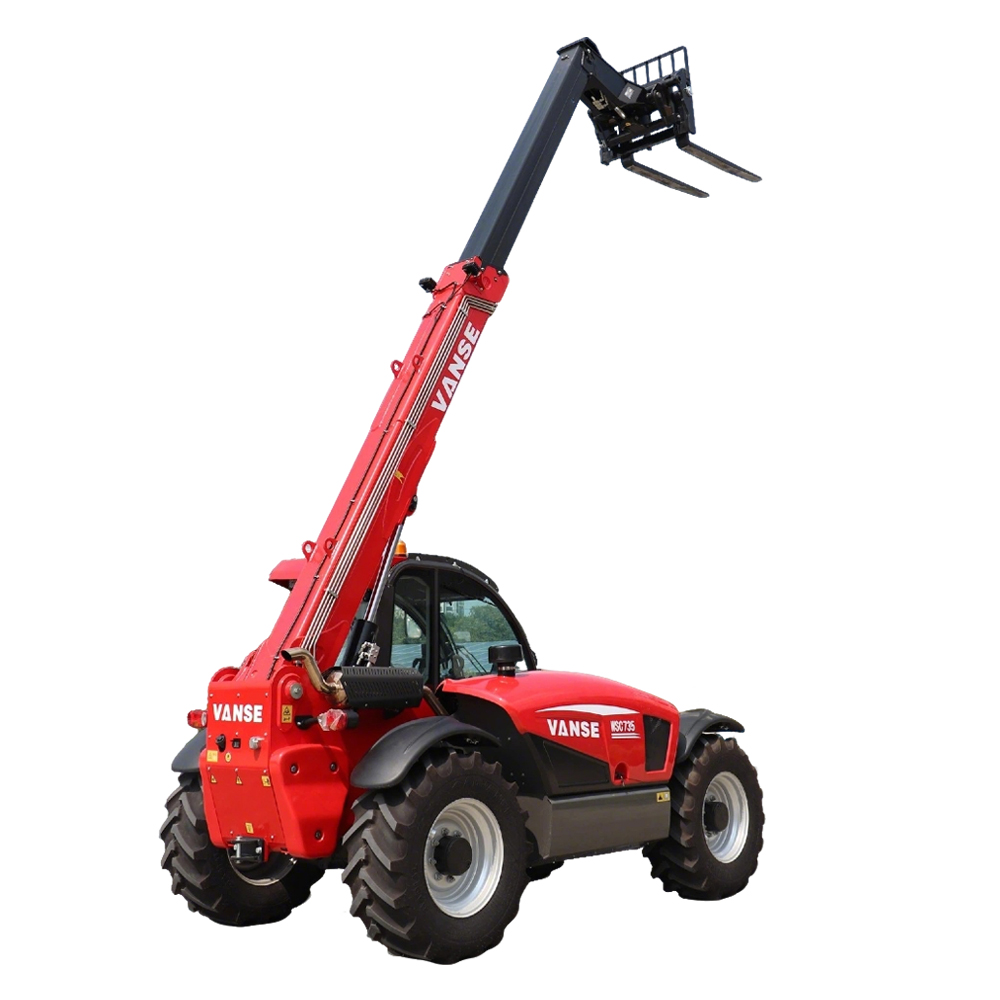
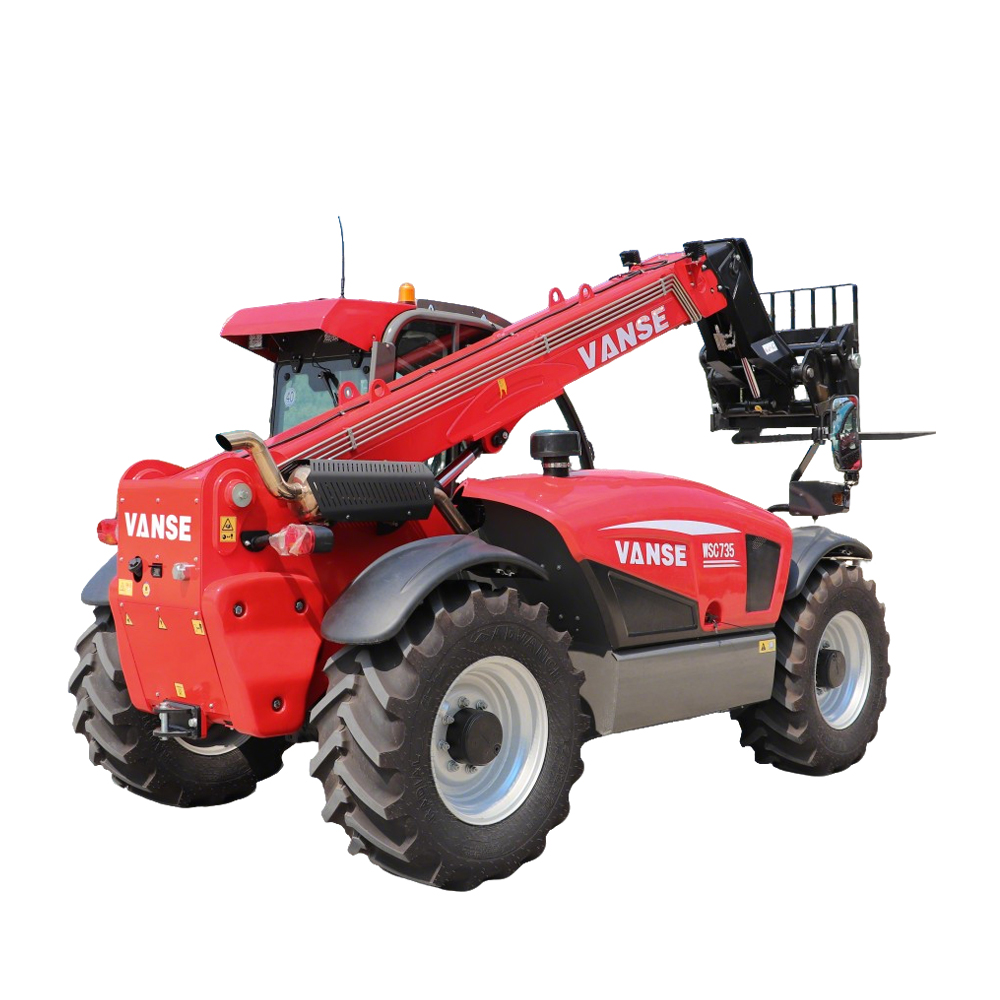
| VANSE | Telehandlers | Structured export support to Europe | Prezzo competitivo con componenti globali e personalizzazione | Telehandlers, OEM/ODM, dedicated configurations |
The table does not identify an absolute winner but guides the choice by machine type and support quality. Historic Italian brands are particularly strong where the customer seeks workshop proximity and residual value. International brands with a strong dealer presence are interesting for fleets and rental companies. Well-structured export manufacturers become competitive when price, customization, and availability matter for distribution programs or private labels.
Practical comparison between suppliers and types
The bar comparison highlights the specialization of each supplier group. Telehandler-oriented brands excel in overhead handling, while Bobcat and New Holland are stronger in compact ground applications. VANSE positions itself as an interesting option for those favoring telehandlers with an international setup, controlled cost, and tailored configuration.
Local suppliers and territory coverage
When purchasing in Italy, the dealer counts almost as much as the brand. In Lombardy and Veneto, rapid spare parts availability and service within 24-48 hours directly impact productivity. In Sicily, Sardinia, and the peninsular South, technician availability and delivery scheduling become even more important, because the machine often works on long cycles and in seasonal agricultural contexts.
For those importing directly or evaluating distribution partnerships, it is also useful to consider the connection to ports and logistics hubs such as Genoa, Trieste, Ravenna, and Gioia Tauro. Reducing customs clearance times, stocking spare parts in advance, and defining clear service level agreements are essential to turn a good price into a truly sustainable purchase.
Our company
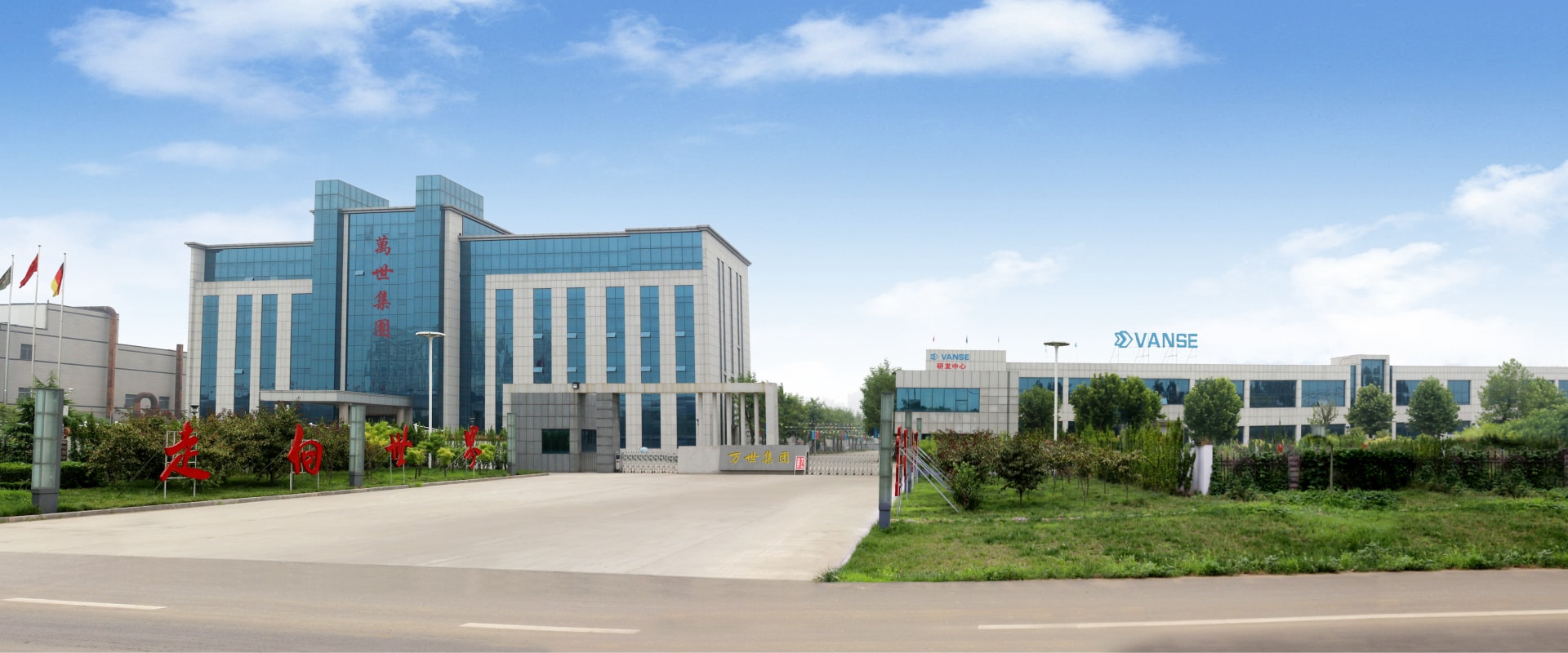
VANSE has operated in the international construction machinery market since 2013 with a clear specialization in telehandlers, now the group's flagship line, produced in modern factories with CE and ISO 9001 certified processes, complete load tests, safety checks, and performance validation on each unit before shipment. For Italian customers, this translates into a product built to verifiable parameters, with recognized brand engines such as Perkins and Cummins, and internationally sourced key components for the hydraulic system, transmission, and axles, thus offering reliability and durability comparable to high-end brands but with a more competitive cost positioning. The company has already surpassed a cumulative production of 8,000 units and exports to over 40 countries, including European markets, which strengthens operational experience, industrial capacity, and supply continuity. On the commercial side, VANSE serves end users, rental companies, distributors, dealers, brand owners, and also dedicated projects through flexible formulas of direct sales, wholesale supply, regional distribution, and programs OEM and ODM for customized specifications, branding, colors, and technical configurations. In terms of local presence, international growth is supported by a service structure throughout the machine's life cycle, with pre-sales, after-sales, and technical support both online and offline, along with concrete expansion of foreign operations through corporate presence and stock capacity outside China, an important sign of physical commitment in the served markets. For those purchasing in Italy, this approach reduces the typical risk of remote importing and offers a partner oriented toward long-term relationships, with real experience with European customers and a willingness to build stable commercial partnerships through the section chi siamo, the catalog available machines and the channel contatti.
When the telehandler is the best choice
The telehandler is advantageous when the company works weekly with pallets, stacked materials, big bags, bales, equipment to be positioned at height, or trucks to be loaded. It is also convenient when a single machine must cover multiple roles: agricultural handling, construction site support, external logistics, and loading. In Italy, this situation is very common in mixed enterprises that combine production, storage, and external works.
In the presence of sheds, high barns, processing lines with overhead storage areas, or the need to reach beyond an obstacle, the telehandler is clearly superior. Even from a professional image standpoint, on construction sites and structured farms, it is often perceived as the reference machine for primary handling.
When the skid steer is the best choice
The skid steer is the ideal solution for companies that work mainly on the ground and frequently change attachments. If the daily work cycle includes loading inert materials, yard cleaning, shredding, sweeping, light digging, green area maintenance, interior demolition, or leveling, then the skid steer offers a very strong practicality-to-price ratio.
It is often the best choice also for short-term rental or for companies that do not need to lift to height but want a compact, transportable, intuitive machine usable in multiple contexts. In cities like Milan, Bologna, Florence, and Rome, where access spaces are a real constraint, the skid steer maintains a great operational advantage.
Mistakes to avoid before purchasing
A common mistake is to buy a skid steer to save on the initial price, only to find out that the job requires height, pallet forks, and placement capability. The opposite error is to purchase a telehandler for prestige or theoretical versatility, when the actual work is almost entirely on the ground and with rotating attachments. In both cases the machine remains underutilized.
Another mistake is neglecting after-sales support availability. In Italy, machine downtime during grape harvest, harvesting, concrete pours, or site advancement can cost far more than the initial price difference. That is why it is essential to check spare parts, mobile workshop, training, remote assistance, and average intervention times. The regulatory compatibility of the equipment used in combination with the machine must also be verified.
2026 Trends: Technology, Policies, and Sustainability
In 2026 the Italian market will continue to shift along three directions. The first is digitalization: telematics, fleet monitoring, remote diagnostics, and predictive maintenance will be increasingly requested by rental companies and multi-site businesses. The second is energy efficiency: cleaner engines, smart rev management, reduced consumption, and, in the most compact segments, growing attention to hybrid or electrified solutions where duty cycles allow.
The third direction is regulatory and environmental. In public worksites, urban logistics, and some sensitive applications, the weight of requirements on emissions, noise, operator safety, and maintenance traceability will increase. For this reason, manufacturers that integrate certifications, clear documentation, components from well-known brands, and structured support will have a growing advantage. Also in the choice between telehandler and skid steer, sustainability is not only about consumption: it concerns durability, recyclability of components, ease of maintenance, and the ability to retain value over time.
Domande frequenti
For Italian agriculture, is a telehandler or a skid steer better?
In most cases, a telehandler is better, because it combines height, pallet forks, load capacity, and work on mixed farm terrain. The skid steer remains useful for cleaning, bulk materials, and very compact tasks.
Which machine is best for rental?
It depends on the customer target. For construction, agriculture, and material handling, the telehandler has excellent turnover. For maintenance, small sites, and multiple attachments, the skid steer is often in higher demand. Many Italian rental companies keep both families.
Can the skid steer replace a telehandler?
Only partially. It can replace it in ground-level tasks, but not in high-level handling, forward reach, and positioning of pallets or loads on elevated levels.
Does the telehandler always cost more?
Generally yes as an initial investment, but it can be more cost-effective in the long term if it avoids the purchase of other machines or if it performs several high-value functions in the same company.
Which brands are most prevalent in Italy?
In telehandlers, Merlo, Dieci, Manitou, and JCB stand out. In skid steers, Bobcat and New Holland Construction are important references, along with other brands present through local dealer networks.
Is it worth considering an international supplier like VANSE?
Yes, especially when you need a competitive price, customized specifications, OEM/ODM programs, and a proposal supported by CE certifications, global components, and structured support for the European market.
Conclusione
If the question is straightforward, the answer for Italy is this: choose the telehandler when your work requires height, reach, pallets, and versatility in handling; choose the skid steer when you need compactness, speed, ground work, and intensive use of attachments. In agricultural contexts and on many Italian worksites, the telehandler is often the most strategic machine. In compact services, recycling, and urban maintenance, the skid steer remains hard to beat.
The final decision must be based on the prevailing work, the service network available in your area, and the total cost of ownership. For this reason, in addition to the major brands present locally, it is worth also considering international manufacturers with certifications, export experience, and concrete commercial support, especially if you are looking for customized solutions and a better balance between investment and performance.
Gamma completa di attrezzature per carrelli telescopici
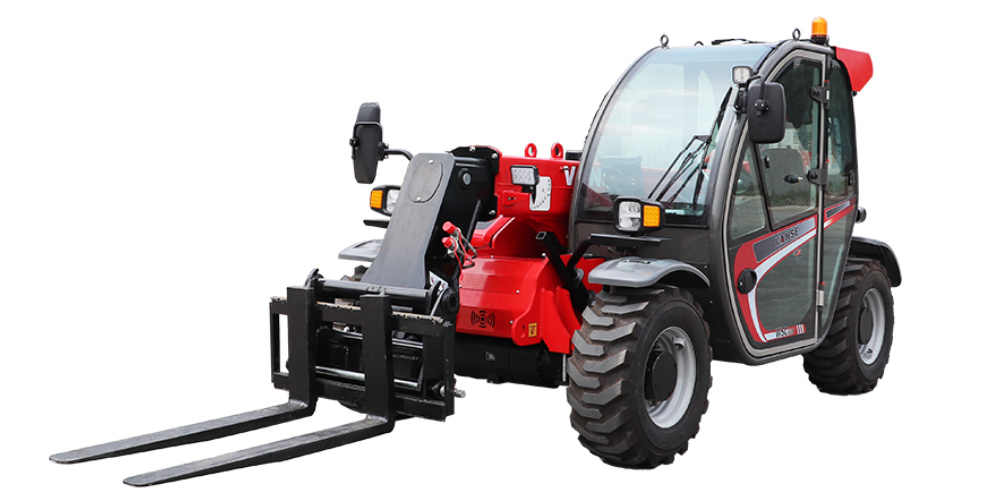
Carrello telescopico VANSE 625 6m
Progettato per una gestione efficiente dei materiali e lo stoccaggio in magazzini, fabbriche e cantieri ristretti, con manovrabilità compatta e prestazioni affidabili.

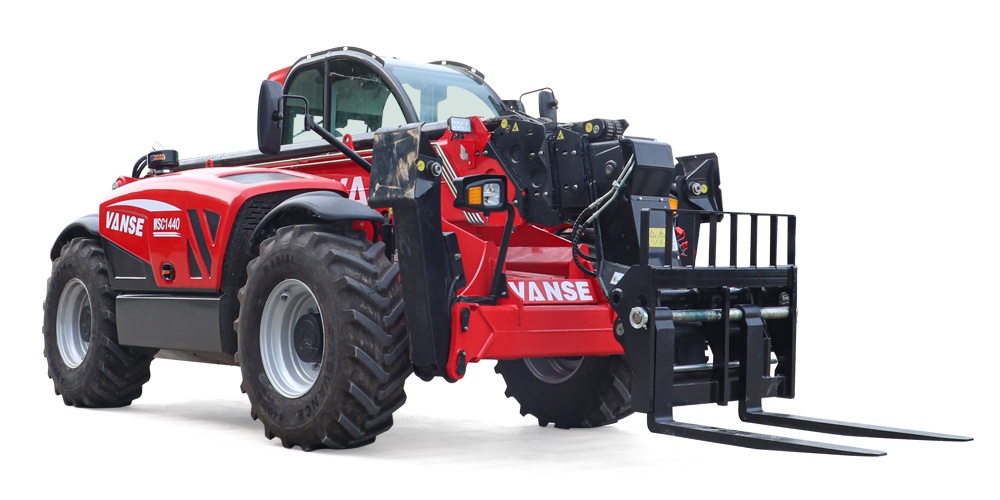
Carrello telescopico VANSE 735 7m
Soluzione equilibrata per impieghi medi in costruzioni, agricoltura, logistica e magazzinaggio, che unisce sollevamento stabile, trazione potente e versatilità quotidiana.


L'autore:
Il team VANSE è composto da professionisti esperti specializzati in ricerca, produzione e supporto tecnico per macchinari da costruzione. Con profonda conoscenza del settore e esperienza pratica, i nostri ingegneri e specialisti di prodotto condividono consigli pratici su selezione attrezzature, operazioni, manutenzione e tendenze del settore.
Condividi
Potresti essere interessato anche a
-

Giugno 18, 2026
Telehandler vs Forklift: Which Machine Is Right for You
Compare telehandler vs forklift in the United States with costs, use cases, supplier options, and buying tips to choose the right machine for your job.
-
Giugno 17, 2026
Accessori per sollevatori telescopici: forche, benne e piattaforme
Esplora gli accessori per sollevatori telescopici negli Stati Uniti, tra cui forche, benne, piattaforme, fornitori, consigli per l'acquisto e tendenze del mercato 2026.
-
Giugno 16, 2026
Best Telehandlers for Construction Projects Right Now
Explore the best telehandlers in the United States with top brands, buying tips, market trends, and cost-effective supplier options for 2026.
-
Giugno 15, 2026
Guida ai prezzi dei sollevatori telescopici: analisi completa dei costi per gli acquirenti
Scopri le fasce di prezzo dei sollevatori telescopici negli Stati Uniti, confronta marchi, specifiche, costi di proprietà e opzioni di approvvigionamento per gli acquirenti del 2026.