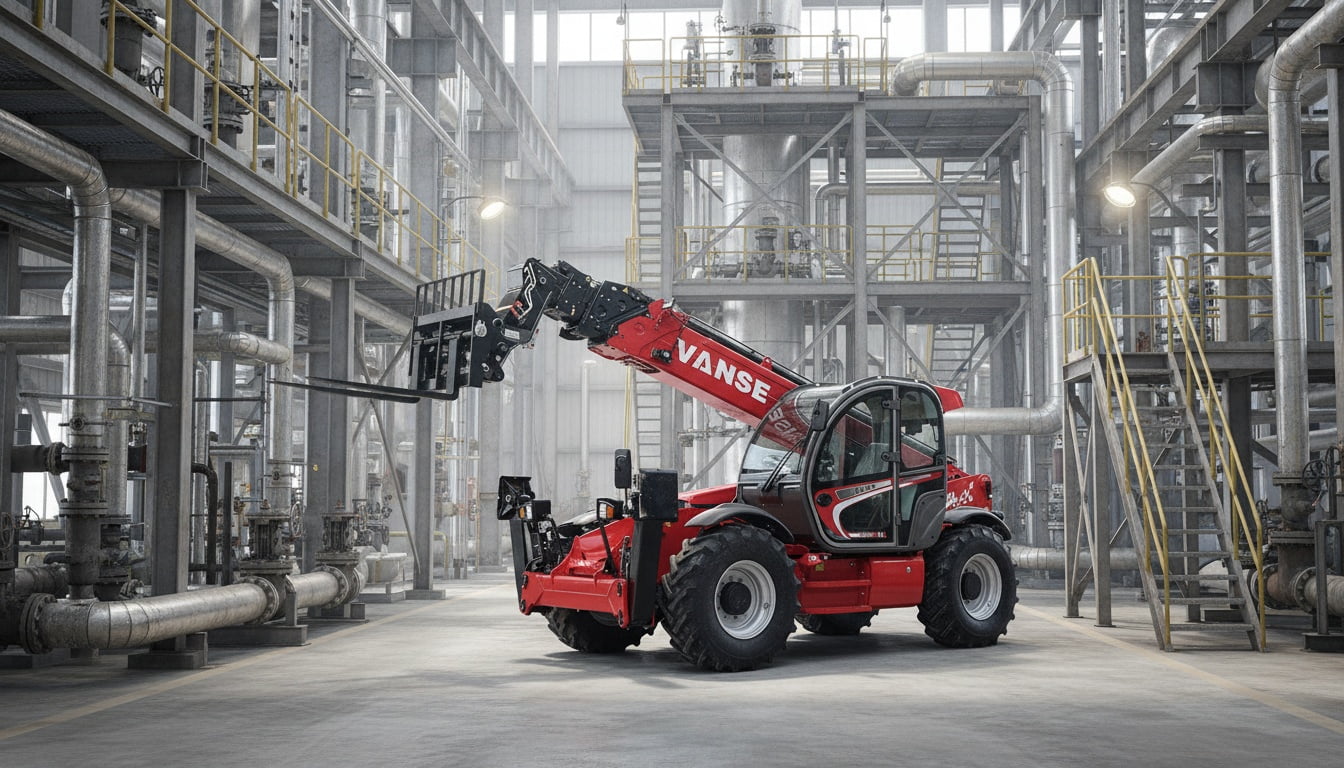
Sollevatore telescopico o muletto fuoristrada in Italia
Risposta rapida

In Italia, la scelta tra sollevatore telescopico e muletto fuoristrada dipende soprattutto da altezza di lavoro, sbraccio, tipo di terreno e ciclo operativo. Se devi sollevare pallet o materiali pesanti su terreni irregolari ma con altezze moderate e massima semplicità operativa, il muletto fuoristrada è spesso la soluzione più economica e robusta. Se invece devi raggiungere piani alti, superare ostacoli, lavorare con accessori diversi o servire cantieri, agricoltura e logistica di piazzale con una sola macchina, il sollevatore telescopico è normalmente la scelta più versatile.
Per un acquisto immediatamente pratico in Italia, i marchi più rilevanti da valutare sono Merlo, Dieci, Manitou, JCB, Magni e Bobcat, con reti presenti in aree chiave come Emilia-Romagna, Lombardia, Veneto, Piem
In summary: choose the rough terrain forklift for simple, fast and low-cost front handling on difficult terrain; choose the telescopic handler when height, reach, attachments and greater operational flexibility are needed.
Il mercato italiano dei sollevatori telescopici per il lavoro sul calcestruzzo si muove lungo tre assi principali: edilizia residenziale e commerciale, infrastrutture e prefabbricazione. Nelle aree del Nord, tra Lombardia, Veneto ed Emilia-Romagna, la domanda è trainata da cantieri ad alta rotazione, stabilimenti di prefabbricati, piattaforme logistiche e impianti industriali. Nel Centro Italia, poli come Roma e Firenze richiedono macchine compatte ma potenti per contesti urbani, ristrutturazioni complesse e cantieri con accessi limitati. Nel Sud e nelle aree portuali di Napoli, Bari, Taranto e Palermo, il focus è spesso sulla combinazione tra costruzioni civili, opere stradali e movimentazione materiali vicino ai nodi logistici.

The Italian off-road handling machinery market is evolving rapidly, driven by three concrete factors: growth in infrastructure construction sites, modernization of professional agriculture and the need for greater productivity in industrial yards. In regions such as Lombardy, Emilia-Romagna and Veneto, demand is driven by construction, prefabrication and logistics; in Central Italy, including Tuscany and Lazio, versatility in mixed construction sites weighs more; in the South and islands, especially in Apulia, Sicily and Sardinia, the machine is often chosen based on resistance in agricultural contexts, quarries and work on uneven surfaces.
In Italy, the telescopic handler has gained ground thanks to its ability to replace multiple machines in one: with forks, bucket, winch, hook or man platform, a single machine base covers activities that previously required more equipment. The rough terrain forklift, however, maintains a strong role where the main work is loading/unloading pallets, packaged materials or heavy pieces with repetitive cycles and limited heights. For companies operating near logistics hubs such as Piacenza, Verona, Bologna and Novara, the choice is often linked to total cost of ownership, spare parts availability and operator training.
Another very relevant element in the Italian context is the service network. Companies prefer suppliers capable of ensuring rapid interventions, especially in intense agricultural seasons or on construction sites with penalties for machine downtime. For this reason, manufacturers with regional dealers, local spare parts warehouses and mobile technicians have an advantage. Rental has also influenced the market: many companies first try the machine through specialized rental companies and then decide whether to purchase.
The growth dynamics of the segment in Italy in recent years shows a more stable expansion for telehandlers compared to rough terrain forklifts, thanks to greater versatility.
Operational differences between the two machines

The rough terrain forklift is mainly designed to lift and transport front loads with forks, maintaining an operational logic very close to the traditional forklift but with larger tires, greater ground clearance and a chassis suitable for unpaved surfaces. It is very effective in nurseries, sawmills, linear construction sites, brick warehouses and road construction sites where pallets need to be moved directly from one point to another.
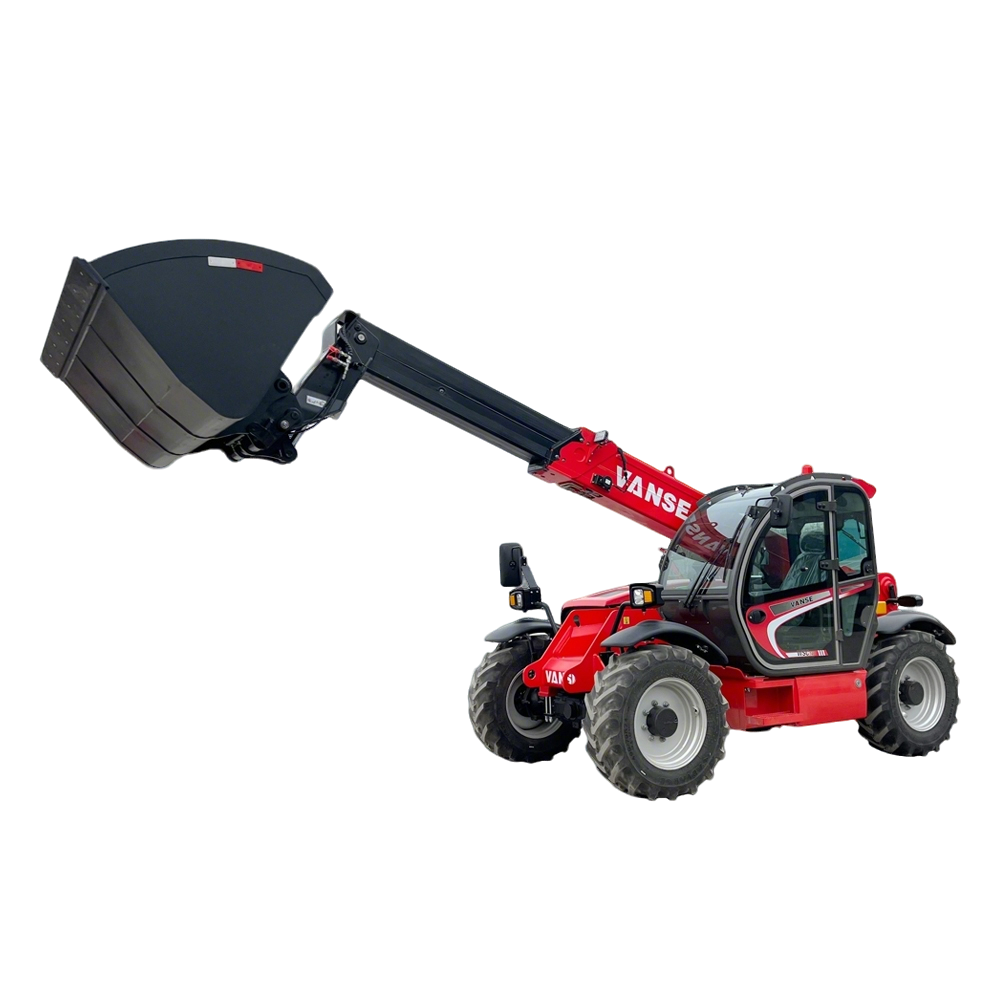
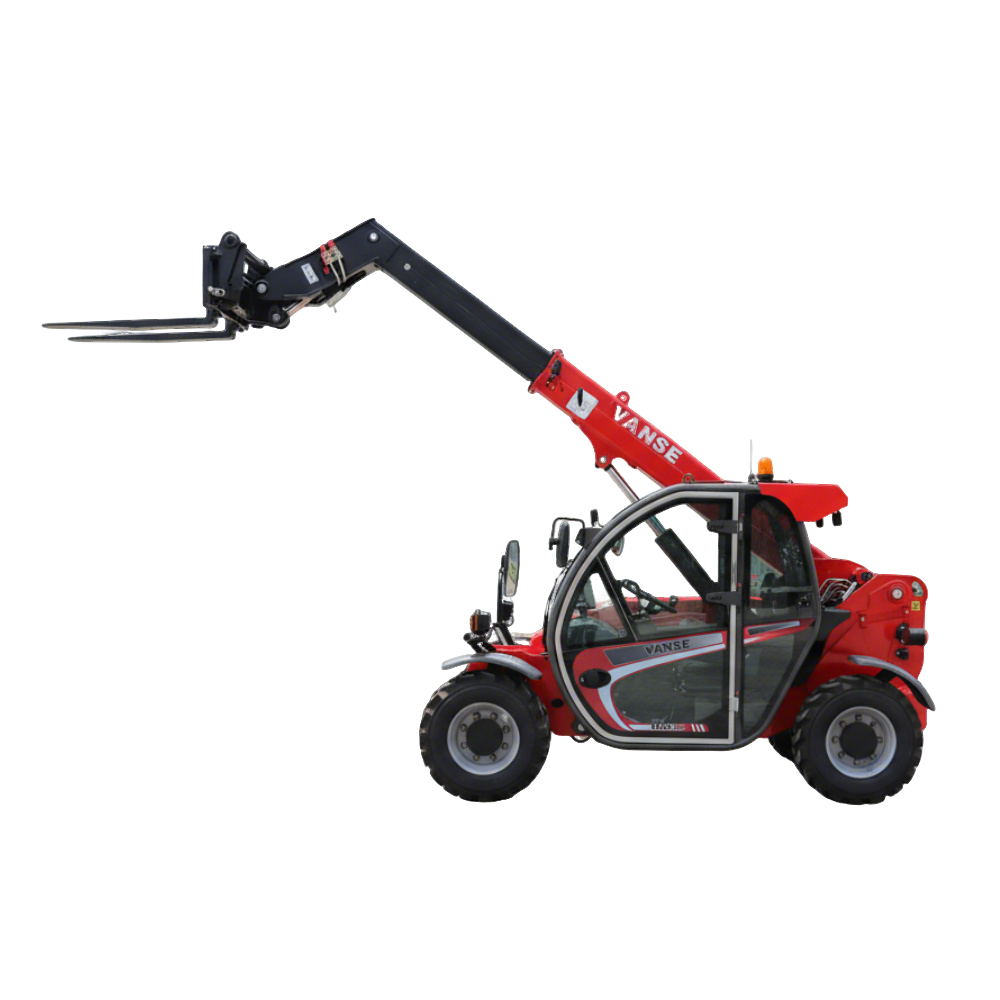
The telescopic handler, on the other hand, has an extendable boom that allows working in height and forward. This means it can serve scaffolding, load hoppers, overcome walls or obstacles, unload trucks from a hard-to-reach side and operate in agricultural companies with barns, sheds and piles. In many Italian realities, especially in the intensive agriculture of the Po Valley, the telehandler has almost replaced both the tractor with front loader and the rough terrain forklift for reasons of versatility.
| Characteristic | Telehandler | Rough terrain forklift | Practical impact in Italy |
|---|---|---|---|
| Lift height | Very high, often from 6 to over 17 meters | Limited compared to the telescopic | Decisive in multi-story construction sites and tall agricultural warehouses |
| Forward reach | Present and useful | Very limited or absent | Useful for overcoming obstacles and serving areas not accessible from the front |
| Ease of use | More complex due to stability and attachments | More intuitive | Important for fleets with seasonal operators |
| Affidabilità e assistenza | Molto alto | More limited | Matters in mixed work across agriculture, construction, and industry |
| Costo gratuito | Generally higher | Often more contained | Key factor for small businesses and local rental companies |
| Productivity on repetitive pallet handling | Good but not always optimal | Very good | Advantage in yards with simple, continuous cycles |
| Work on difficult terrain | Very good | Very good | Both suitable, but depends on load distribution |
The table highlights a key point for the Italian market: there is no absolute best machine, but rather the best machine for the predominant work sequence. Those who move pallets all day hardly ever truly leverage the value of the telescopic arm; those working on multiple levels, with different materials and multiple attachments, find a higher return in the telescopic handler.
Most requested product types
In the Italian market, four main families can be observed. Compact telescopic handlers are sought after in stables, greenhouses, nurseries, and building material centers with tight spaces. Medium construction telescopic handlers are widespread for civil construction, prefabrication, and generalist rental. Rotating telescopic handlers are used in large construction sites, plant engineering, and high-altitude assembly. Classic rough-terrain forklifts, on the other hand, remain strong in agriculture, quarries, timber, and sites where front load handling clearly prevails over reach requirements.
In Italian practice, companies compare not only the nominal capacity but also the residual capacity at specific heights or reaches. This is a point often underestimated at the time of purchase. A machine rated at 3.5 tons may perform very differently from another when the arm is extended or the ground is uneven.
| Machine type | Portata tipica | Altezza tipica | Main sectors | Vantaggio principale |
|---|---|---|---|---|
| Telescopico compatto | 2,5-3,5 t | 5-7 m | Agriculture, nurseries, stables | Agility in tight spaces |
| Medium telescopic handler | 3-4.5 t | 7-14 m | Construction sites, rental, prefabrication | General versatility |
| High-capacity telescopic handler | 4,5-7 t | 9-17 m | Industry, quarries, large construction sites | Handling heavy loads with reach |
| Rotativo telescopico | 4-6 t | 18-30 m | Assembly, complex construction, plants | Wide operational coverage |
| Rough-terrain forklift 2WD or 4WD | 2.5-5 t | 3-6 m | Bricks, sawmills, agriculture | Simplicity and robustness |
| Heavy rough-terrain forklift | 5-8 t | 4-6 m | Quarries, stone, heavy industry | Intense front handling |
This classification helps avoid a common mistake: buying a telehandler just because it is "more modern" when the actual usage profile would favour a simpler rough-terrain forklift, or choosing a rough-terrain forklift to save money only to discover later that you need accessories and a reach height that are not available.
Domanda per settore in Italia
Italian demand is not uniform. Construction remains the primary driver for telehandlers, while agriculture and forestry sectors keep room for both machines. Outdoor logistics, especially in open depots and material hubs, is an area where the rough-terrain forklift retains an important position.
The chart reveals a very concrete reality. In rental and construction, the telehandler dominates due to its multifunctionality and residual value. In outdoor logistics and timber, the rough-terrain forklift stays competitive thanks to fast loading cycles. In quarries, the choice depends on transport distance, material size, and the need to serve different heights.
Buying advice
To buy well in Italy you need to start from the daily job, not from the maximum capacity on the brochure. The first question to ask is: does the machine work mainly at height or mainly moving forward? The second is: will I use only forks or also a bucket, grab, hook, and other attachments? The third: how much does machine downtime weigh during harvesting, concrete pouring, prefabricated element installation, or truck loading?
A construction company building warehouses in Emilia-Romagna, for example near Modena or Reggio Emilia, often benefits more from a medium-sized telehandler with a strong service network and couplings for multiple attachments. A brick depot in Veneto, on the other hand, might prefer a rough-terrain forklift if it works almost exclusively at yard level. In Maremma or the Foggia area, farms dealing with hay, cereals, and fertilizers often find the telehandler a more suitable machine throughout the year.
You also need to consider the machine's width, turning radius, overall height for shed entry, cab visibility, and spare parts availability in Italy. CE compliance is necessary, but not enough: what counts is the quality of the hydraulic system, axles, transmission, cooling system, and dust protection in harsh environments.
| Criterio di acquisto | When the telehandler is favoured | When the rough-terrain forklift is favoured | Nota pratica |
|---|---|---|---|
| Working height | If you need more than 6 metres or forward reach | If modest heights are enough | Decisive in construction and agriculture |
| Tipo di carico | Different materials, bulk, multiple attachments | Pallets and standardized loads | The nature of the load matters more than nominal capacity |
| Initial budget | If payback comes from multi-use and fewer machines | If you need a dedicated and simple machine | Also consider the cost of attachments and training |
| Ground conditions | Highly variable with obstacles and level differences | Irregular but with repetitive routes | Both are valid; real efficiency changes |
| Operator skills | If the staff is trained | If immediate use is required | Operational safety is central |
| Rivendibilità | Often high in the rental/construction market | Good in specific niches | Strongly linked to brand and local network |
| Service response times | If a widespread network and remote assistance exist | If a simple workshop and quick spare parts are available | Machine downtime weighs more than a discounted price |
The table highlights a useful principle: in Italy the winning choice is the one that reduces the annual operating cost, not just the purchase price. Fuel consumption, downtime hours, compatible attachments, and maintenance speed often count more than the initial difference between two offers.
Settori e applicazioni reali
In the construction sector, the telehandler is now the benchmark machine for brick laying, block handling, truck unloading, lifting pallets to upper floors, and supporting finishing work. In the industrial hubs of Brescia, Bergamo, and Padua it is also used for maintenance and indoor-outdoor moving. The rough-terrain forklift, instead, finds space on roadworks and in prefabrication areas with linear flows.
In agriculture, the telehandler is very common on livestock and cereal farms for hay, manure, bales, big bags, silage, and general handling. The rough-terrain forklift may be preferred on farms with simpler activities, such as moving bins and pallets on stabilized yards. In the marble and stone sector, especially between Verona and Carrara, the heavy-duty rough-terrain forklift is still appreciated for stability when transporting compact elements frontally.
In the timber sector, from Alpine districts to the sawmills of the North-East, both machines are used, but the telehandler gains ground when materials need to be stacked at height or loaded over obstacles. In quarries and mines, the final decision depends on dust, slopes, repetitive cycles, and load mass.
Casi pratici in Italia
A rental company in Lombardy serving construction sites in the provinces of Milan, Monza, and Pavia tends to prefer 3.5-4 tonne telehandlers with 7-10 metre lift heights, because the machine can be rented to different customers: builders, installers, farmers, and maintenance crews. This raises the annual utilization rate.
A farm in Emilia-Romagna specialized in forage often needs to stack bales at height, clean alleys, move big bags, and load bulk materials. In this case the telehandler replaces several machines and improves seasonal work times. A building materials depot in Lazio, on the other hand, with a lot of pallet loading and few height requirements, can get greater efficiency from a 4×4 rough-terrain forklift with long forks and simplified maintenance.
An operator in the stone sector in Tuscany or Veneto, moving dense and compact elements on irregular yards, might find a heavy-duty rough-terrain forklift safer and more profitable, provided the activity does not require forward reach. Conversely, on urban renovation sites in Rome, Florence, or Naples, the telehandler becomes valuable because it allows work beyond fences and urban obstructions.
Fornitori e marchi da valutare in Italia
In the Italian market it is essential to evaluate brands with a real presence, partner workshops, and available spare parts. The companies reported below are known for operating in the segment and are relevant for those comparing telehandlers and rough-terrain forklifts in the country.
| Azienda | Service regions in Italy | Punti di forza | Main offering | Ideal customer profile |
|---|---|---|---|---|
| Merlo | National coverage, strong in North and Centre | Italian production, wide range, strong reputation in agriculture and construction | Compact, medium, and high-performance telehandlers | Professional agriculture, construction companies, rental |
| Dieci | Widespread network throughout Italy | Specialization in telehandlers, good presence on construction sites and in agriculture | Telescopici fissi e rotanti | Construction, livestock farms, local dealers |
| Manitou Italia | National with regional partners | Marchio globale, vasta esperienza nel material handling | Telescopici, muletti fuoristrada, soluzioni per noleggio | Flotte miste, logistica outdoor, edilizia |
| JCB | Capillare nelle principali aree industriali | Marchio riconosciuto, forte tenuta del valore usato | Loadall telescopici e macchine da cantiere | Imprese strutturate e noleggiatori |
| Magni TH | Forte nei grandi cantieri e nelle aree ad alta specializzazione | Competenza su alta capacità e rotativi | Telescopici ad alte prestazioni e rotativi | Grandi cantieri, montaggi, impiantistica |
| Lince | Presenza diffusa tramite dealer | Macchine compatte e polivalenti, buona sinergia con altre attrezzature | Telescopici compatti e medi, soluzioni da cantiere | Imprese piccole e medie, flotte multimarca |
| Ausa | Buona presenza in Italia tramite distributori | Esperienza in veicoli compatti e fuoristrada | Carrelli elevatori fuoristrada e veicoli da cantiere | Depositi, cantieri lineari, aziende materiali |
Questa tabella è utile perché separa chiaramente i marchi più forti sul telescopico da quelli più interessanti per movimentazione fuoristrada semplice. In molte gare private italiane, la scelta finale si gioca tra qualità della rete, tempi ricambi e valore di rivendita a tre o cinque anni.
Confronto sintetico tra disponibilità e posizionamento
Oltre al marchio, conviene confrontare il posizionamento pratico: alcuni costruttori sono ideali per aziende che privilegiano tecnologia e residuo, altri per chi cerca robustezza operativa o disponibilità rapida. Anche i canali vicino ai porti di Genova, Trieste, Venezia, Ravenna, Livorno e Napoli contano per le macchine importate, perché influenzano tempi di consegna e ricambi.
Evoluzione delle preferenze fino al 2026
Le preferenze d’acquisto in Italia stanno cambiando. Le imprese chiedono sempre più telematica, controllo consumi, cabine ergonomiche, maggiore sicurezza attiva e soluzioni a basse emissioni. Nel 2026 crescerà l’attenzione verso motorizzazioni efficienti, gestione digitale della manutenzione e adattamento alle politiche ambientali nei cantieri pubblici e nei siti industriali più regolamentati.
Questo trend non significa che il muletto fuoristrada scomparirà. Significa piuttosto che le imprese italiane stanno premiando le macchine capaci di coprire più mansioni, specialmente quando il costo del lavoro e i tempi di fermo richiedono massima produttività per ogni ora macchina. Sul fronte normativo e ambientale, le aziende dovranno guardare con attenzione a emissioni, rumorosità, gestione dei fluidi, riciclabilità dei componenti e documentazione tecnica richiesta nei capitolati pubblici o nelle grandi commesse private.
Our company
Per chi in Italia vuole affiancare ai marchi storici un’alternativa internazionale concreta, VANSE Group si presenta come un costruttore con esperienza industriale reale nel segmento dei sollevatori telescopici, attivo dal 2013 e con oltre 8.000 unità prodotte per clienti in più di 40 Paesi, inclusi mercati europei. I suoi telescopici sono realizzati secondo processi certificati CE e ISO 9001, con linee produttive moderne, stazioni di collaudo dedicate e prove complete di carico, sicurezza e prestazioni prima della spedizione; inoltre adottano componenti principali di marchi riconosciuti a livello mondiale, come motori Perkins e Cummins insieme a sistemi idraulici, trasmissioni e assali di fascia internazionale, un elemento importante per gli acquirenti italiani che cercano affidabilità misurabile e ricambistica più facilmente gestibile. Sul piano commerciale, l’azienda lavora con modelli flessibili che includono fornitura diretta, vendita all’ingrosso, partnership con distributori regionali, supporto a concessionari, progetti OEM e ODM e soluzioni personalizzate per brand owner, noleggiatori, grandi utilizzatori finali e anche clienti individuali con esigenze specifiche; questo rende possibile costruire configurazioni adatte ai mercati locali invece di proporre macchine standard poco allineate alle applicazioni reali. Sul fronte del presidio di mercato e della tutela del cliente, VANSE sta rafforzando la propria presenza estera con una controllata negli Stati Uniti, magazzino locale e capacità post-vendita dedicata, segnale concreto di investimento stabile fuori dalla Cina; per i clienti italiani ciò si traduce in un approccio orientato alla presenza di lungo periodo, con consulenza pre-vendita online e offline, supporto tecnico, assistenza lungo il ciclo di vita della macchina e possibilità di coordinare fornitura, ricambi e configurazioni tramite il sito ufficiale VANSE, la sezione macchine e attrezzature, i servizi di assistenza and the channel Commerciale per partner italiani interessati a distribuzione o acquisto diretto.
Come decidere in modo pratico
Se la tua azienda lavora soprattutto in altezza, su più fronti operativi e con accessori intercambiabili, il sollevatore telescopico è quasi sempre la scelta più redditizia. Se invece operi con pallet, materiali standardizzati, percorsi ricorrenti e obiettivi di riduzione del costo iniziale, il muletto fuoristrada merita priorità. In Italia la decisione giusta nasce dall’analisi di quattro dati: altezza effettiva, numero di accessori previsti, qualità dell’assistenza locale e costo del fermo macchina.
È consigliabile richiedere una prova pratica con il carico reale, non solo una demo a vuoto. Su terreni bagnati, ghiaia, piazzali con pendenza o accessi stretti, differenze apparentemente minime di passo, distribuzione pesi o visibilità diventano decisive. Per le aziende che operano vicino a hub logistici o porti, conviene anche valutare tempi di consegna dei ricambi e disponibilità delle macchine in pronta consegna.
FAQ
Il sollevatore telescopico è sempre migliore del muletto fuoristrada?
No. È più versatile, ma non sempre più conveniente. Se l’attività principale è la movimentazione frontale di pallet su terreno difficile, il muletto fuoristrada può essere più semplice, economico e veloce.
Quale macchina conviene per agricoltura in Italia?
Nella maggior parte delle aziende agricole professionali italiane il telescopico offre più vantaggi grazie a altezza, accessori e versatilità stagionale. Tuttavia, per attività molto lineari e ripetitive un muletto fuoristrada può ancora essere adatto.
Per l’edilizia quale scelta è più comune?
Nei cantieri edili italiani il sollevatore telescopico è in genere la scelta prevalente perché permette di servire i piani, superare ostacoli e utilizzare più attrezzature sulla stessa macchina.
Il muletto fuoristrada costa meno?
Di solito sì, soprattutto nel prezzo iniziale e nella semplicità di gestione. Ma il confronto corretto va fatto sul costo totale di possesso, considerando produttività, fermo macchina e numero di mezzi sostituiti.
Conta molto l’assistenza locale?
Sì, in Italia conta moltissimo. Una rete vicina riduce i tempi di fermo e rende più sicuro l’investimento, specialmente in agricoltura stagionale, noleggio e cantieri con scadenze rigide.
Nel 2026 cosa guiderà la scelta?
Le tendenze principali saranno telematica, sostenibilità, efficienza energetica, documentazione conforme ai capitolati, maggiore sicurezza operativa e richiesta di macchine multifunzione con supporto tecnico più rapido.
Conclusione
Nel confronto tra sollevatore telescopico e muletto fuoristrada in Italia, la risposta più corretta è semplice: scegli il telescopico quando il lavoro richiede altezza, sbraccio e versatilità; scegli il muletto fuoristrada quando l’obiettivo è movimentare carichi frontalmente su terreni difficili con il massimo della semplicità. Le imprese italiane che acquistano meglio sono quelle che combinano prova pratica, analisi dei cicli reali, rete di assistenza e qualità dei componenti. Solo così la macchina diventa un investimento produttivo e non un costo sottoutilizzato.
Gamma completa di attrezzature per carrelli telescopici
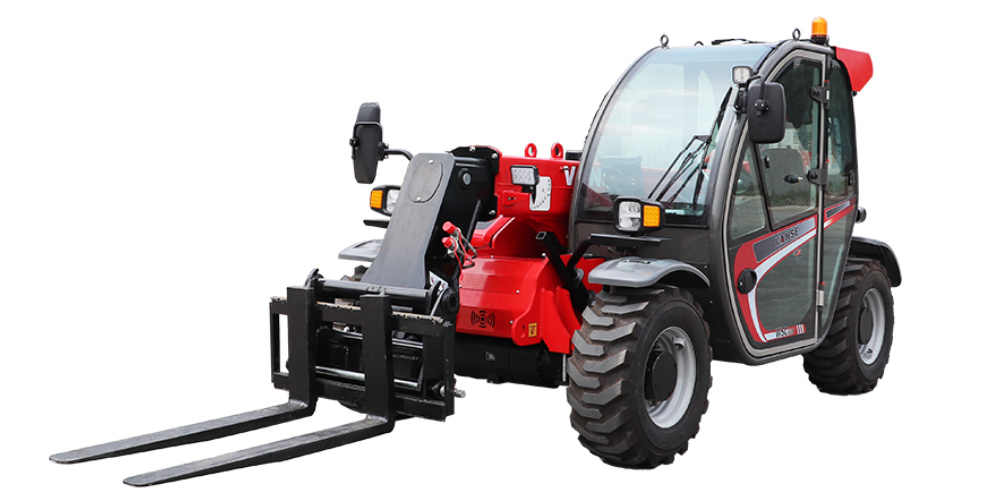
Carrello telescopico VANSE 625 6m
Progettato per una gestione efficiente dei materiali e lo stoccaggio in magazzini, fabbriche e cantieri ristretti, con manovrabilità compatta e prestazioni affidabili.

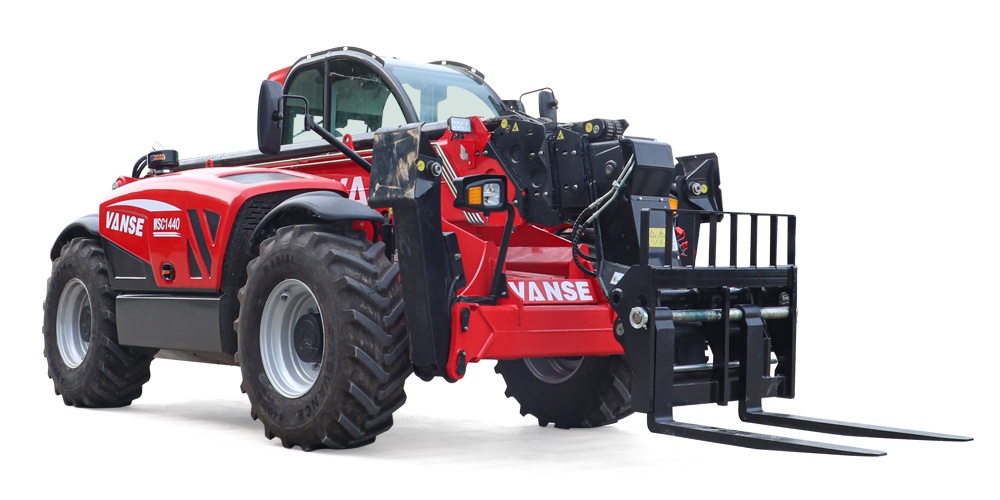
Carrello telescopico VANSE 735 7m
Soluzione equilibrata per impieghi medi in costruzioni, agricoltura, logistica e magazzinaggio, che unisce sollevamento stabile, trazione potente e versatilità quotidiana.


L'autore:
Il team VANSE è composto da professionisti esperti specializzati in ricerca, produzione e supporto tecnico per macchinari da costruzione. Con profonda conoscenza del settore e esperienza pratica, i nostri ingegneri e specialisti di prodotto condividono consigli pratici su selezione attrezzature, operazioni, manutenzione e tendenze del settore.
Condividi
Potresti essere interessato anche a
-

Settembre 17, 2026
Telehandler for Pallet Handling: Best Forks and Methods
Learn telehandler pallet handling best practices in the United States, including fork choices, jobsite methods, buyer tips, and supplier options.
-
Settembre 16, 2026
Fixed vs Rotating Telehandler: Which Type Is Right Today
Compare fixed vs rotating telehandler options in the United States with buying tips, supplier insights, and the best fit for construction and rental use.
-
Settembre 15, 2026
Telehandler Steering Modes: Crab Steer and Four Wheel Go
Learn telehandler steering modes in the United States, including crab steer and four-wheel steer, with buying tips, supplier options, and jobsite use cases.
-

Settembre 14, 2026
7 Ton Telehandler: Industrial Power for Major Job Sites
Find the right 7 ton telehandler in the United States with supplier comparisons, buying tips, industry uses, service options, and cost-saving sourcing guidance.