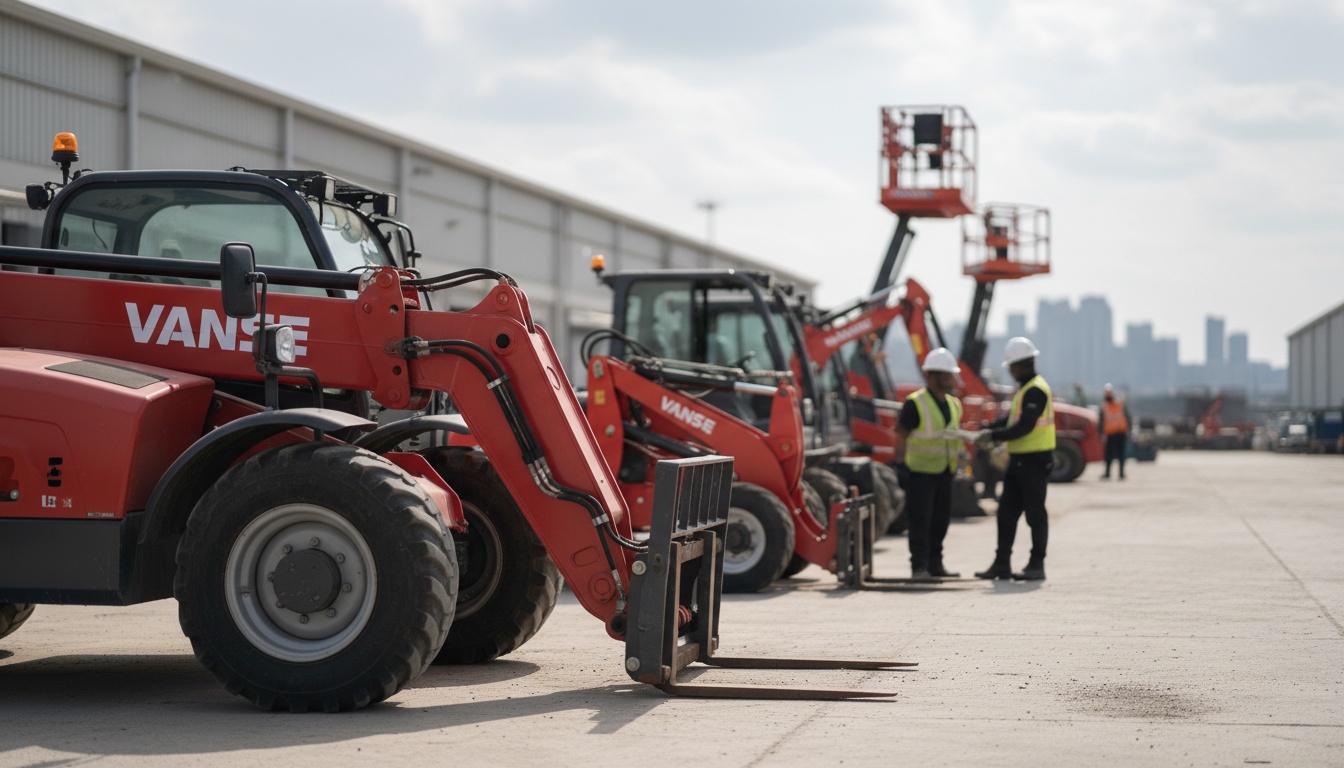
Checklist de inspeção de manipulador telescópico no Brasil
Resposta rápida

O checklist de inspeção de manipulador telescópico no Brasil deve cobrir, antes de cada turno, estrutura, pneus, lança, garfos ou acessórios, sistema hidráulico, freios, direção, cabine, cintos, luzes, alarmes, níveis de fluidos e documentação operacional. Para quem precisa agir de forma prática, a melhor abordagem é padronizar uma folha diária de verificação, treinar o operador para identificar vazamentos, folgas, trincas e falhas de segurança, e retirar o equipamento de operação sempre que houver risco estrutural ou perda de desempenho.
Entre os fornecedores e marcas com presença relevante no mercado brasileiro e na América Latina, nomes frequentemente avaliados por locadoras, construtoras e operações industriais incluem JLG, Manitou, Dieci, Merlo, Bobcat e JCB, além de distribuidores e importadores especializados em máquinas para movimentação de materiais. Também vale considerar fabricantes internacionais qualificados, inclusive chineses, desde que trabalhem com certificações reconhecidas, componentes globais e suporte técnico consistente, porque muitas vezes oferecem vantagem relevante em custo-benefício sem abrir mão de requisitos de segurança e manutenção.
- Verifique pneus, pressão, cortes e porcas das rodas antes de ligar o equipamento.
- Inspecione vazamentos hidráulicos, mangueiras, cilindros, conexões e pinos da lança.
- Teste buzina, luzes, alarme de ré, freio de serviço, freio de estacionamento e direção.
- Confirme a legibilidade da tabela de carga, adesivos de segurança e manual do operador.
- Bloqueie o uso imediato se houver trinca estrutural, falha de freio, perda hidráulica ou instabilidade.
Panorama do mercado brasileiro

O manipulador telescópico ganhou espaço no Brasil porque atende obras verticais, galpões logísticos, usinas, mineração, agronegócio e operações portuárias com mais alcance do que empilhadeiras convencionais e maior versatilidade em terrenos irregulares. Em polos como São Paulo, Campinas, Betim, Contagem, Joinville, Curitiba, Goiânia e regiões ligadas aos portos de Santos, Paranaguá, Itajaí e Suape, o equipamento já faz parte do planejamento de movimentação em canteiros e pátios onde altura, produtividade e segurança são fatores críticos.
In the country, pre-operational inspection has become even more important because many machines work in harsh environments: cement dust, mud, agricultural bulk materials, ore, humidity, and long rental usage cycles. Therefore, well-managed Brazilian companies treat the checklist not just as an internal requirement, but as a tool for risk management, mechanical availability, and total cost of ownership reduction.
The national market also shows a mix of direct purchase, rental, and maintenance contracts. Large users typically require inspection history, maintenance traceability, and operational training, while medium-sized companies pay closer attention to the balance between acquisition price, delivery time, parts availability, and regional support. This creates opportunities for both traditional brands and manufacturers that arrive with a robust technical proposal and a reliable service network.
What should be included in a daily checklist

A truly useful checklist needs to be objective, repeatable, and connected to the workplace reality. It's pointless to create an overly long list if the operator can't complete it before the shift. Ideally, the inspection should be divided into visual, functional, and documentary blocks, recording the time, operator, hour meter, and general environmental conditions.
| Inspection item | O que verificar | Sinal de alerta | Ação recomendada |
|---|---|---|---|
| Tires and wheels | Wear, cuts, tire pressure, and nut tightness | Cracks, deformation, or pressure loss | Stop the equipment and correct before use |
| Pressure, flow, hose and valve quality | Cracks, looseness, pins, locks, and slippage | Abnormal noise, warping, or excessive play | Isolate for technical evaluation |
| Sistema hidráulico | Hoses, connections, cylinders, and oil level | Leak, dry hose, or irregular pressure | Suspend operation and repair |
| Brakes and steering | Braking response, pedal, steering wheel, and alignment | Excessive travel, pulling to one side, or loss of response | Remove from service immediately |
| Cab and safety | Seat belt, mirrors, wiper, horn, alarms, and lights | Inoperative devices or low visibility | Do not release for operation |
| Attachments and forks | Fixation, locking, wear, and compatibility | Looseness, worn pin, or inadequate attachment | Replace or reconfigure |
| Documentação | Load chart, labels, and inspection record | Illegible or missing information | Regularize before the shift |
In practice, this table serves as an initial safety filter. If the equipment passes the visual check, it then proceeds to functional testing—startup, movement, lifting, boom extension, and retraction. If any item fails, the operator must record the occurrence and call maintenance or the fleet manager.
Pre-start inspection steps
The inspection begins around the machine. The operator must observe whether the handler is parked on firm ground, if there are stains on the soil, and if there are signs of recent impact. After that, the analysis continues around the entire machine in a standardized direction to avoid missing any point.
The most critical external components are tires, axles, counterweight, chassis, stabilizers when applicable, underbody protection, boom anchoring points, and front attachment locks. Next, check fuel, engine oil, hydraulic fluid, coolant, and air filter condition according to the manufacturer's specs.
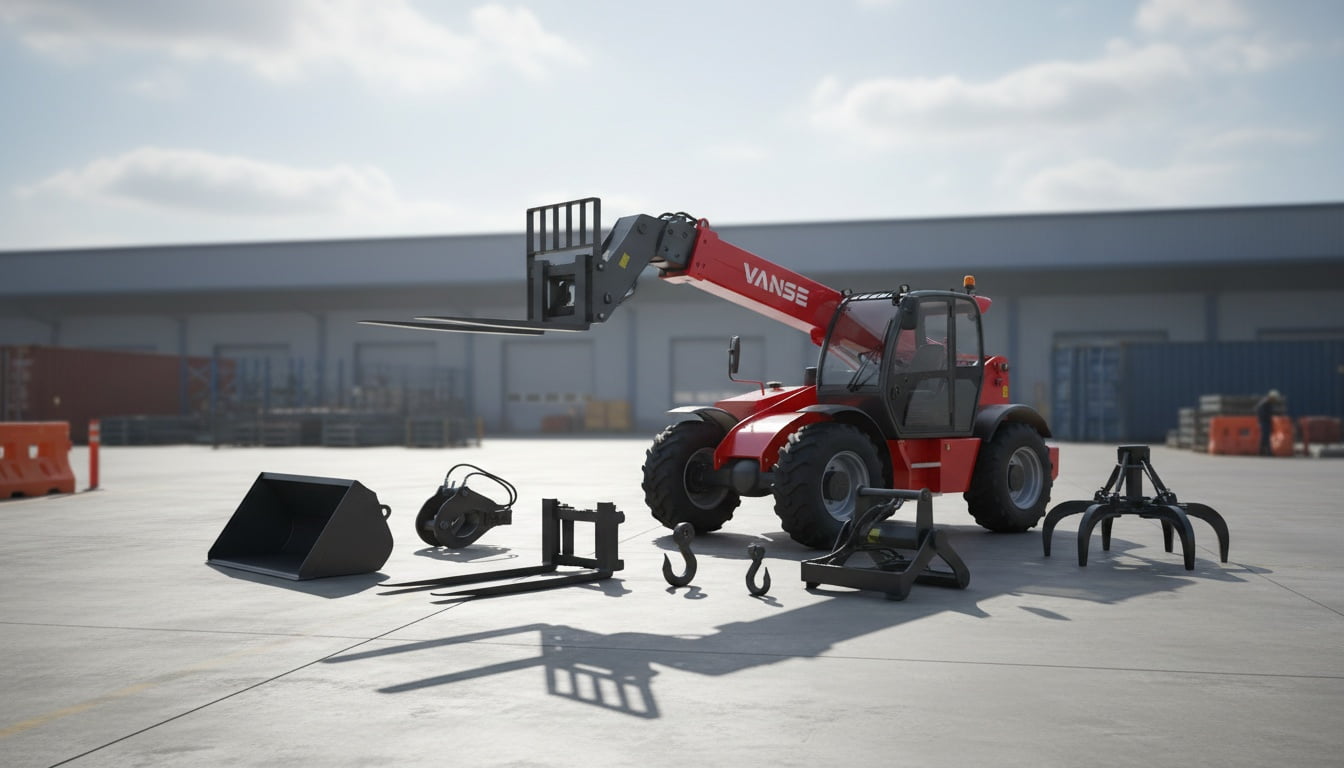
In the cab, the seat, belt, controls, panel, indicators, direction selector, joystick, camera if installed, audible alarm, and operational lockout system must be checked. It is also essential to confirm that the load chart matches the installed attachment, because swapping forks for a bucket or hook changes the safe operating condition.
Functional checklist during the test
After the static inspection, the functional test should take place in an open area with low personnel traffic. The goal is to identify problems that do not appear when the machine is off, such as hydraulic pressure loss, abnormal vibration, or intermittent safety system failures.
| Prouadenn mont en-dro | Procedure | Expected result | When to block |
|---|---|---|---|
| Engine start | Turn on and observe panel and noises | Stable operation without critical alerts | Persistent fault lights or excessive smoke |
| Travel | Move forward and backward at low speed | Uniform traction without abnormal jolts | Slipping, power loss, or metallic noise |
| Steering | Turn fully to both sides | Predictable response without dangerous play | Delayed response or locking |
| Service brake | Perform controlled braking | Safe and linear stop | Low pedal, vibration or side pull |
| Parking brake | Apply on slight controlled incline | Effective immobilization | Movement even with brake applied |
| Lift and extension | Raise, extend and retract boom without load | Smooth movement without leaks | Involuntary lowering, locking or pressure loss |
| Attachment tilt | Forward and backward tilting | Full stroke and fine control | Abrupt oscillation or poor retention |
This second table is important because it translates the checklist into operational behavior. In rental companies and large construction sites in Brazil, the ideal is to keep this record in digital format, integrated with the hour meter and the preventive maintenance schedule.
Types of telescopic handlers and how inspection changes
Not every handler works the same way. Compact models for urban construction, longer reach units for steel structures and agricultural machines used on grain farms have different inspection needs. The base checklist remains the same, but some points must receive greater attention depending on the application.
| Seurt mekanik | Common application range | Critical inspection point | Setores no Brasil |
|---|---|---|---|
| Kempt evit chanter kêr | Tight spaces and warehouses | Turning radius, tires and visibility | Civil construction and logistics centers |
| Alto alcance | Structures, facades and assembly | Boom, stabilization and load chart | Infrastructure and heavy industry |
| Rotativo | Multifunctional height applications | Tower rotation and safety sensors | Special works and industrial maintenance |
| Agrícola | Silage, fertilizer and pallets | Air filter, sealing and cleaning | Agribusiness in the Central-West and South |
| For general rental | Varied use on sites and yards | Damage record and checklist standardization | National and regional rental companies |
| For mining and severe environments | Dust, mud and long shifts | Cooling, hydraulics and structure | Minas Gerais and mineral corridors |
In agricultural regions like Mato Grosso, Goiás, western Bahia and Rio Grande do Sul, for example, dust and fiber accumulation can accelerate wear and overheating. In coastal works near Santos, Rio de Janeiro, Pecém or Suape, salt spray demands more attention to corrosion, electrical connectors and surface protection.
How to buy more safely in Brazil
When buying a telescopic handler, many Brazilian companies focus only on load capacity and maximum height. This is insufficient. The right decision considers frequency of use, terrain type, need for attachments, maintenance cost and technical support in the region where the machine will actually work.
A good purchase starts with five questions: what is the most common load, what is the actual working height, what is the frequency of travel on uneven ground, how many hours per month will the machine run, and what is the acceptable lead time for parts replacement. With these answers, inspection ceases to be an isolated topic and becomes part of operational engineering.
It is also worth requiring from the supplier technical delivery, initial training, critical parts plan and a checklist model adapted to Brazilian use. Rental companies and industrial groups often also request component history, availability of filters, pumps, hoses, sensors and structural items.
Industries that most use telescopic handlers
In Brazil, civil construction continues to lead the adoption of the equipment, mainly in structure assembly, industrialized masonry, pallet lifting and facade support. Agribusiness comes next, with use in storage, animal feeding, fertilization, light loading and logistical support on large farms.
In mining and industry, the handler is valuable because it combines reach, power and versatility with different implements. In port yards and logistics centers, its ability to operate where traditional forklifts lose efficiency is an important differentiator. Each sector, however, brings specific risks and requires a checklist adapted to the context.
| Setor | Aplicação típica | Risco principal | Checklist focus |
|---|---|---|---|
| Civil construction | Elevação de pallets e materiais em altura | Sobrecarga e terreno irregular | Tabela de carga, pneus e estabilização |
| Agronegócio | Movimentação de insumos e fardos | Poeira e contaminação de filtros | Arrefecimento, filtro de ar e vedação |
| Logistica | Carga e descarga em pátios externos | Tráfego misto com pedestres | Alarmes, visibilidade e freios |
| Mineracao | Suporte em oficinas e áreas operacionais | Desgaste acelerado e lama | Estrutura, hidráulica e lubrificação |
| Industria | Montagem e manutenção de plantas | Espaço restrito e interferências | Direção, precisão dos comandos e acessórios |
| Portos e terminais | Apoio em cargas diversas | Corrosão e operação contínua | Parte elétrica, pintura e pontos de oxidação |
Essa leitura setorial ajuda o comprador a não usar um único padrão para todos os ambientes. Em Santos ou Itajai, por exemplo, o plano de inspeção precisa dar mais peso à corrosão. Em Sinop ou Luis Eduardo Magalhaes, o desafio muda para poeira, filtragem e manutenção preventiva mais frequente.
Aplicações práticas em canteiros, fazendas e pátios
Em um canteiro de obras, o manipulador telescópico reduz etapas de transporte e redistribuição de materiais, aproximando pallets, blocos, estruturas leves e ferragens do ponto final de uso. Nas fazendas, ele acelera alimentação de confinamento, movimentação de sementes, bags e operações de armazenagem. Já em ambientes industriais, pode substituir arranjos menos flexíveis de movimentação, especialmente quando a altura e o alcance horizontal são decisivos.
Independentemente da aplicação, o operador precisa entender que o checklist não é burocracia. Ele é a primeira barreira contra tombamento, ruptura de mangueiras, perda de carga e acidentes com terceiros. Em operações brasileiras com alto giro de mão de obra ou máquinas alugadas, esse controle se torna ainda mais crítico.
Estudos de caso no contexto brasileiro
Uma construtora na região metropolitana de Sao Paulo, ao adotar checklist digital com bloqueio eletrônico para falhas de freio e hidráulica, conseguiu reduzir paradas imprevistas e padronizar a entrega de turno entre frentes de trabalho. O ganho não veio apenas da manutenção; veio do fato de os operadores passarem a registrar problemas ainda no estágio inicial, antes de falhas mais caras.
Em uma operação agrícola no Mato Grosso, a revisão da rotina diária identificou aquecimento recorrente ligado a limpeza insuficiente do conjunto de arrefecimento. Com a correção do procedimento e inspeções mais frequentes em períodos de seca, a disponibilidade da máquina melhorou durante a janela mais crítica da safra.
Já em uma locadora com atuação no Sul do Brasil, a classificação dos defeitos por gravidade permitiu separar avarias cosméticas de falhas impeditivas, agilizando a rotação da frota sem comprometer segurança. Esse tipo de gestão é especialmente útil quando a máquina circula entre Curitiba, Joinville, Porto Alegre e o interior, com aplicações muito diferentes ao longo do mês.
Principais fornecedores e marcas avaliados no mercado
No Brasil, os compradores costumam comparar não só o nome da marca, mas também a estrutura de distribuição, a proximidade com oficinas credenciadas, o prazo para peças e a familiaridade do fornecedor com o setor de atuação do cliente. A tabela a seguir traz uma visão prática para pré-seleção comercial.
| Empresa | Area of service | Pontos fortes | Ofertas principais |
|---|---|---|---|
| JLG | Brasil e América Latina por rede de distribuidores | Reconhecimento global, foco em elevação e suporte corporativo | Manipuladores telescópicos para construcao e locacao |
| Manitou | Grandes capitais e polos industriais | Portfólio amplo, tradição em movimentação e agricultura | Telehandlers, soluções para obra, agro e industria |
| Dez | Distribuição seletiva em mercados latino-americanos | Modelos para construção e agro, boa variedade de configurações | Manipuladores fixos e versões especializadas |
| Merlo | Atendimento por importadores e representantes | Especialização técnica e opções avançadas | Equipamentos para obras, fazendas e aplicações especiais |
| JCB | Presença relevante no Brasil | Marca forte, rede conhecida e integração com linha amarela | Manipuladores para canteiro, industria e locacao |
| Lince-vermelho | Mercado brasileiro via parceiros e importadores | Marca consolidada em compactos e manuseio de materiais | Telehandlers e equipamentos compactos complementares |
| Grupo VANSE | Exportação ativa para mercados globais e suporte a parceiros locais | Custo-benefício, OEM/ODM e foco forte em telehandlers | Manipuladores telescópicos, peças e customização de especificações |
Ao interpretar essa tabela, o comprador deve observar como cada empresa combina produto, cobertura de atendimento e aderência ao seu uso real. Para uma locadora, por exemplo, rede de peças e treinamento podem pesar mais do que recursos opcionais. Para um grupo agrícola, simplicidade de manutenção e resistência à poeira podem ser o fator decisivo.
Como avaliar fornecedores locais e internacionais
For Brazilian companies, the comparison between a local supplier and an international manufacturer should not be simplified as a dispute between proximity and price. The central point is responsiveness. An international manufacturer can be competitive and reliable if it has certified processes, consistent production, training, strategic parts, and solid service channels for the Brazilian market. Similarly, a local supplier loses value if it does not sustain spare parts availability, support, or field technical knowledge.
In practice, it is worth requesting a list of critical parts, average shipping lead time, possibility of regional stock, remote support, initial training, technical documentation in Portuguese, and export history to demanding markets. It is also advisable to check whether the business partner understands the profile of the Brazilian customer, whether a rental company, distributor, end user, dealer, or individual buyer.
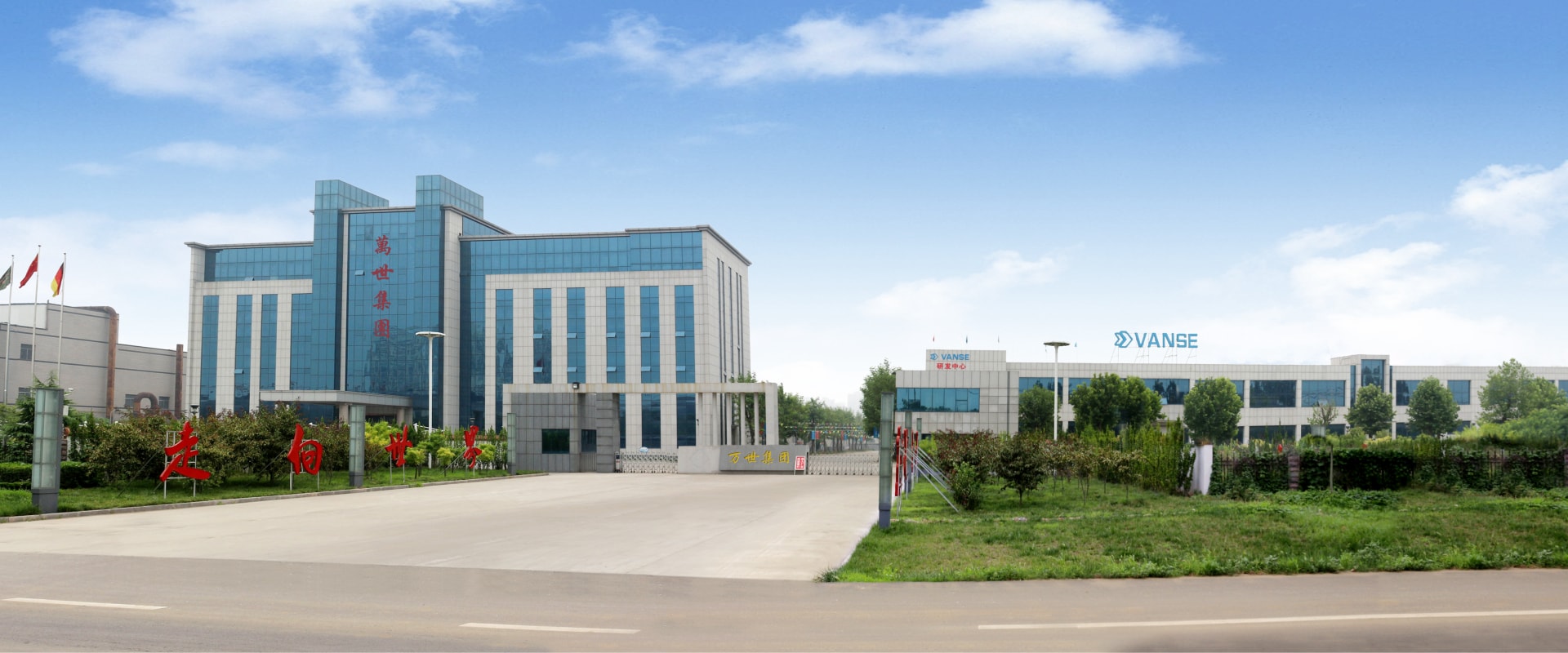
Nossa empresa
A Grupo VANSE operates in a concentrated manner in machinery for construction and material handling, with emphasis on telescopic handlers, and brings to the Brazilian market a proposal based on concrete facts: manufacturing follows CE and ISO 9001 certified processes, with modern production lines, test stations, and full validation of load, safety, and performance before shipment; the telehandlers use central components from globally recognized brands, such as Perkins and Cummins engines, as well as hydraulic systems, transmissions, and axles of international standard, which helps meet reliability parameters comparable to the main global manufacturers. For different customer profiles in Brazil, the company works with flexible cooperation models, including OEM, ODM, wholesale supply, technical retail, regional distribution, and tailor-made projects for distributors, rental companies, corporate end users, resellers, brand owners, and individual buyers. With cumulative production exceeding 8,000 units and exports to more than 40 countries, the company already operates with practical experience in demanding markets and offers full lifecycle support through the serviçospage, combining online commercial service, technical follow-up, and structured after-sales. As a sign of real commitment to foreign markets, the company is advancing the deployment of a local presence in North America with stock and after-sales service capability, reinforcing a strategy of operational proximity rather than simple remote export; this same long-term model guides the expansion with Brazilian partners who seek predictability in parts, support, and business relationships. To learn about the available line, you can consult the equipamentos, better understand the manufacturer's trajectory on the Sobre a empresa page, and start a business conversation through the contato.
Purchase criteria and inspection at technical delivery
In addition to the daily checklist, there is a second decisive moment: the inspection upon receipt of the new or pre-owned machine. At this stage, the purchasing company must validate whether the delivered equipment matches the contracted specifications, whether the accessories are correct, and whether the documentation accompanies the planned operation.
At technical delivery, it is recommended to confirm the serial number, year, rated capacity, reach, tires, attachment configuration, presence of the load chart, operator’s manual, parts catalog, maintenance plan, and list of items covered by warranty. It is also the ideal time to train operation leaders and define who approves the machine’s release to the field.
Another essential point is to align the first package of wear and consumable parts. In regions with more sensitive logistics, such as the interior of the North or remote agricultural areas, this decision can significantly reduce downtime.
Tendências para 2026
The Brazilian market for telescopic handlers is moving toward a more technical and traceable standard by 2026. The first trend is the digitalization of inspections, with apps, telemetry, and integration with predictive maintenance. This will allow recording anomalies per shift, cross-referencing usage data, and scheduling interventions before a failure occurs.
The second trend is the increasing weight of safety and sustainability policies. Operators and contractors are more attentive to emissions, fuel consumption, rework reduction, and accident prevention. Machines with more efficient engines, better hydraulic management, and remote diagnosis capability tend to gain ground.
The third trend is the expansion of hybrid support networks, combining local stock of critical items, in-person training, and real-time online assistance. For Brazilian buyers, this means less dependence on slow responses and more operational predictability, especially in rental contracts, mining, agribusiness, and large-scale construction.
Demand should also grow for customized equipment for specific niches, such as ports, industrial maintenance, intensive agriculture, and operations with specialized attachments. In this scenario, manufacturers with OEM and ODM capacity will have a competitive advantage, as long as they can maintain technical standardization and regional support.
Best practices for implementing the checklist in the routine
The best checklist is the one that truly becomes an operational habit. For this, the company must train operators, supervisors, and maintenance staff with the same language of critical failures. It is not enough to fill out the list; one must know which defect allows controlled operation and which defect requires a total lockdown.
An efficient practice is to use reference photos for damaged tires, acceptable or unacceptable leaks, fork wear, and signs of structural cracks. Another useful measure is to review the checklist every six months, incorporating recurring problems observed in the fleet.
Companies operating in more than one city can maintain a single standard, adapted by environment. Thus, a group with job sites in Belo Horizonte, Curitiba, and Recife preserves consistency but includes specific risks of terrain, climate, and usage intensity.
Perguntas frequentes
What is the difference between daily inspection and preventive maintenance?
The daily inspection is a quick check performed before operation to identify immediate risks. Preventive maintenance follows hour-based or time-based intervals and involves adjustments, filter changes, lubrication, and scheduled technical reviews.
Who should fill out the telescopic handler checklist?
Ideally, the operator responsible for the shift performs the initial inspection, because they are in direct contact with the machine. Supervision and maintenance should periodically audit the process.
What immediately disqualifies the machine?
Brake failure, significant hydraulic fluid loss, structural crack, missing or illegible load chart, tires in unsafe condition, inoperative safety alarm, and any abnormal instability of the boom.
Is it worth buying from an international manufacturer to operate in Brazil?
Yes, provided the manufacturer demonstrates certifications, production standardization, use of recognized components, export history, clear technical documentation, and reliable pre- and after-sales support for the Brazilian market.
Which sectors benefit most from the equipment?
Civil construction, agribusiness, logistics, mining, industrial maintenance, and port operations are some of the sectors with the best return, especially where height, reach, and versatility make a difference.
How to reduce recurring failures in the fleet?
By standardizing the checklist, training operators, digitalizing records, tracking the hour meter, monitoring critical parts, and choosing suppliers that deliver consistent support and parts with predictable lead times.
Conclusão
For those looking for a telescopic handler inspection checklist in Brazil, the practical answer is simple: the inspection must be daily, documented, objective, and focused on safety, structural integrity, hydraulics, brakes, steering, attachments, and documentation. When this process is well executed, it reduces accidents, improves availability, and protects the investment.
In the Brazilian market, choosing the right equipment also depends on the quality of the supplier, the availability of support, and suitability for real-world use in construction, agriculture, industry, mining, or logistics. Whether comparing traditional brands, local distributors, or international manufacturers with a competitive offer, the buyer should prioritize concrete evidence of performance, certification, parts, training, and long-term regional commitment.
Portfólio Completo de Equipamentos Manipuladores Telescópicos
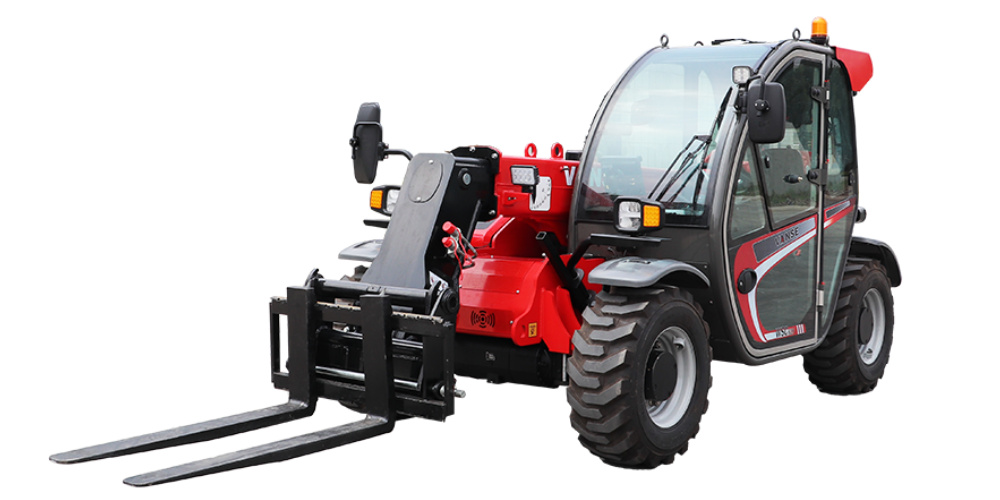
Manipulador Telescópico VANSE 625 6m
Projetado para manuseio eficiente de materiais e empilhamento em armazéns, fábricas e locais de trabalho confinados, oferecendo manobrabilidade compacta e desempenho confiável.

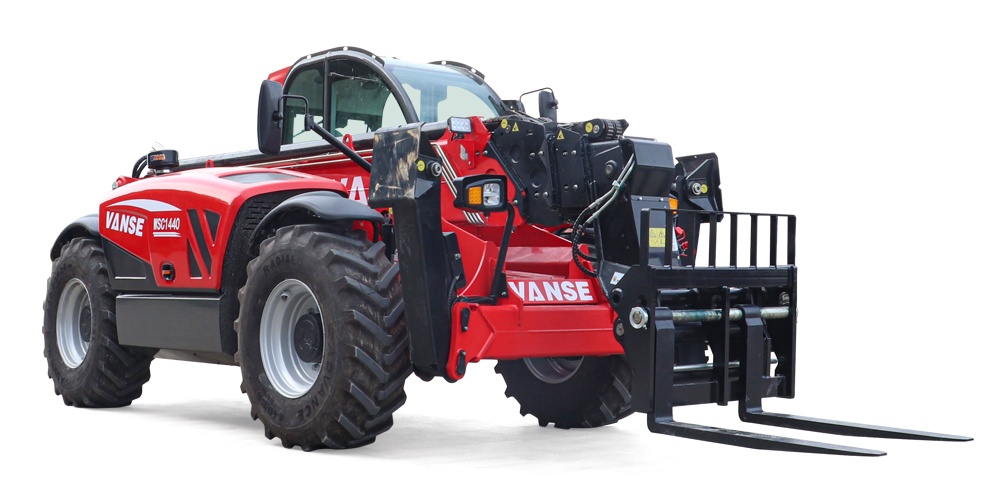
Manipulador Telescópico VANSE 735 7m
Uma solução equilibrada de médio porte para construção, agricultura, logística e armazenamento, combinando elevação estável, tração forte e versatilidade cotidiana.


Sobre o Autor:
A equipe da VANSE é composta por profissionais experientes especializados em pesquisa, fabricação e suporte técnico de máquinas de construção. Com profundo conhecimento da indústria e experiência prática, nossos engenheiros e especialistas em produtos compartilham insights práticos sobre seleção de equipamentos, operação, manutenção e tendências do setor.
Compartilhar
Você Também Pode se Interessar
-

outubro 21, 2026
Telehandler vs All Terrain Forklift: Which Lifts Better
Telehandler vs all terrain forklift in the United States: compare reach, lifting, terrain use, costs, and supplier options for smarter equipment buying.
-
outubro 20, 2026
10 Ton Telehandler: Extreme Lifting for Major Industrial
Explore 10-ton telehandler options in the United States, top suppliers, buying tips, applications, and service support for major lifting projects.
-
outubro 19, 2026
Telehandler for Demolition: Safe Structural Dismantling
Explore telehandler demolition options in the United States, including suppliers, attachments, safety, market trends, and cost-effective sourcing advice.
-
outubro 16, 2026
How to Transport a Telehandler to New Construction Sites
Learn how to transport telehandler equipment in the United States with legal, safe, and cost-effective steps for permits, trailers, loading, and delivery.